
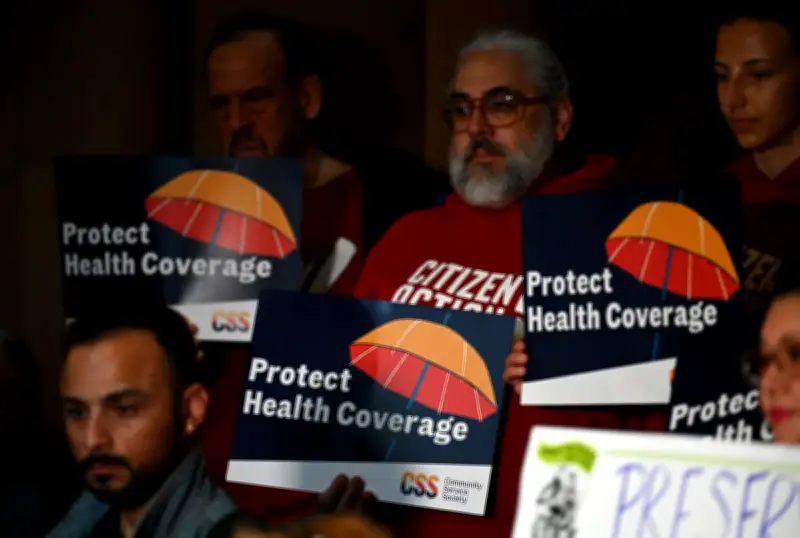
Nearly 500,000 moderate-income New Yorkers will be dropped from their health insurance plans on July 1, marking the first major coverage losses from HR 1, the Republican-led law signed almost a year ago. The law, known as the 'One Big Beautiful Bill Act,' cut federal health spending by $911 billion nationally to fund permanent tax breaks for higher-income families and border security.
Community organizations scramble to find new coverage
'It’s an all hands on deck situation,' said Maia Dillane, senior director of strategy and implementation at the Arab-American Family Support Center (AAFSC) in New York City, where most losses are expected. The AAFSC is one of 20 groups working with the Community Service Society of New York to help people find new insurance. However, people must find coverage within 60 days or wait until open enrollment in November, and many cannot afford new plans.
'We’re seeing a lot of families still going back and forth on whether they can enroll in one of the qualified health plans – or whether they are just going to opt out of the coverage completely,' said Rahem Bader, director of the community health and well-being program at AAFSC. 'Families are having to choose how they’re going to split their costs when it comes to their healthcare, food, etc.'
Essential plan cut triggers coverage losses
The July losses stem from the elimination of New York's 'essential plan,' a Medicaid expansion under Obamacare. In 2023, the federal government approved a pilot covering residents earning 200-250% of the federal poverty level (up to $39,900 for a single person, $66,625 for a family of three). The pilot was set to last until 2028 and be deficit-neutral. But HR 1 cut essential plan funding in half and ended tax credits for lawfully present immigrants. State lawmakers failed to fund the plan in June 2025, sealing its fate.
According to the Kaiser Family Foundation, up to 1.1 million New Yorkers could lose insurance by 2034 due to HR 1. 'This is just the tip of the iceberg – because come January all the other impacts of HR1 start to kick in,' said Dr. Adam Aponte, CEO of the East Harlem Council for Human Services. New York City is hardest hit, with over 250,000 residents losing coverage, including 200 of Aponte's patients.
Nationally, 10 million more uninsured expected
Nationally, HR 1 could leave 10 million additional people uninsured over the next decade, largely due to new work requirements for Medicaid beneficiaries. 'What do these folks turn to?' Aponte asked. 'Federally qualified health centers like ours are going to be likely to absorb these individuals as uninsured patients.'
Despite the cuts, the Congressional Budget Office projects HR 1 will add $3.4 trillion to the federal deficit by 2034 due to tax cuts. 'It’s very unlikely that these individuals will be able to afford a marketplace plan. So many of them are going to be caught with no insurance, at least for a period of time,' Aponte said, adding that most will seek care in emergency departments.
Rate hikes compound the crisis
People losing essential coverage must buy Obamacare plans with premiums and deductibles, which are at historic highs. Special subsidies lapsed at the end of 2025, pushing average deductibles to $3,786 per person, according to KFF. Insurers are requesting double-digit rate increases for 2027; in New York, UnitedHealthcare proposed a 52.1% increase. Analysts say rate hikes stem from sicker people seeking insurance and healthy people dropping coverage, driving up costs for everyone.
Bader noted that families who opt in often need treatment for illnesses, not preventive care. 'They are not looking for preventive care – they are looking for treatments for illnesses.'




