
From Hesitation to Transformation: How Circus Tickets Changed a Family's World
Scrolling through Facebook on a Saturday morning, single mother Sian Griffiths stumbled upon an unexpected opportunity: someone was giving away free circus tickets. "They had posted that they couldn't make it anymore and didn't want them to go to waste," Sian recalls. While many parents would have eagerly claimed such tickets, Sian felt hesitant about whether her young daughter could handle the sensory experience.
The Early Signs of Sensory Sensitivity
Sian first noticed her daughter Freya's unusual reactions during weaning. "She used to eat everything, but then around 14 months old, she just suddenly stopped," Sian remembers. "She barely ate anything and didn't want to drink her milk." The situation escalated as Freya began crying during outings, complaining that environments were "too loud." By nearly two years old, she avoided crowds and busy places entirely.
Suspecting autism spectrum traits, Sian consulted health professionals. While Freya met all developmental milestones and was deemed too young for an ADHD diagnosis, Sian remained convinced her daughter's challenges weren't just a passing phase. This background made the circus ticket decision particularly difficult for the concerned mother.
Discovering Neurodivergent-Friendly Entertainment
Yearning for her daughter to enjoy typical childhood experiences, Sian researched the circus mentioned in the Facebook post. She discovered Circus Starr—a touring act specifically designed for neurodivergent audiences. This revelation gave her the confidence to accept the tickets. Just two hours later, mother and daughter found themselves in the big top near Blackpool's Solaris Centre.
"It was the first place where Freya could completely be herself," Sian remembers emotionally. As they watched the ringmistress foot-juggle an umbrella in a sparkling white and gold outfit, Freya's enjoyment became unmistakable. "She loved it so much that she stood up, jumping around and dancing. She kept shouting and waving, but none of the staff asked her to stop."
A Diagnosis and Ongoing Adaptation
Freya, now five years old, has since received a formal diagnosis of hypersensitivity disorder—a neurological condition where the brain over-responds to sensory input including light, sound, touch, and smell. Since the 2024 diagnosis, Sian has learned to adapt to her daughter's needs with family support and practical strategies.
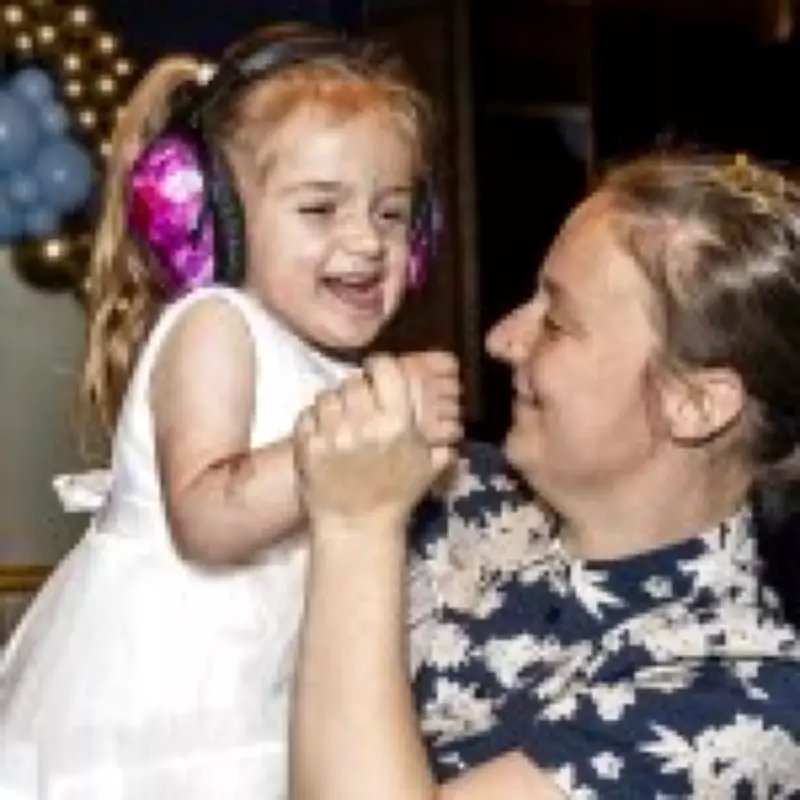
"My family have helped—for example, my parents buy food they know Freya will eat for their house," Sian explains. "While I usually take her out at quieter times of the day and she wears ear defenders, which really help when louder spaces can't be avoided."
The circus experience has significantly boosted Freya's confidence. "It's really made her come out of her shell," Sian observes. "I can tell with her eyes and little smile that she is so happy when she's there." The family has returned annually to various Circus Starr venues across their city.
The Circus with a Purpose
Circus Starr represents a fourth-generation entertainment legacy. Creative Director and ringmistress Mariska Gandey, 28, comes from a circus family dating back to 1918. Having studied circus directing, she now tours approximately 75 venues yearly with the group.
In 2010, Circus Starr transformed into a not-for-profit community interest company, donating 100% of ticket sales to local support organizations. Today, operating as a charity relying entirely on donations, they maintain a clear mission: "to make live entertainment accessible to people who might otherwise miss out."
Since 2015, the circus has specifically focused on disabled and neurodivergent children's needs. "To create a relaxed atmosphere, we have music at a low volume and sensory productions within the performance," Mariska explains. "We have BSL signing and mobile changing places for people with disabilities."
The circus carefully selects performances to avoid overstimulation. "A lot of other circuses have motorbikes or big wheel acts," Mariska notes. "We don't want anything that's going to be overstimulating or interfering with the atmosphere we're trying to create." They've eliminated elements like fire, water, or audience sprays after learning these triggered sensory issues.
Preparing for the Experience
Circus Starr offers sensory packs before performances containing a sequin cloth (similar to performer costumes), a light film to preview lighting effects, and photos of performers. "It acclimatizes kids to the experience before they arrive, so there's no shock or surprises," Mariska explains. "I often sit with a child for a couple of minutes before the show starts and run them through what to expect."
The circus balances accessibility with entertainment value. "There has to be some form of adrenaline as people come to the circus to see excitement," Mariska acknowledges. "So I look for great characters that can do something fun and lively."
Recognition and Impact
Due to their significant impact on UK families, Circus Starr has been shortlisted in the Local Service category of the 2026 Scope Awards, celebrating disabled people and organizations creating important change. Metro is proud to partner with these awards, which will be hosted by wheelchair basketball athlete Ade Adepitan at London's Kia Oval on April 30, 2026.
"A lot of the families attending probably wouldn't be able to go and watch any other live entertainment," Mariska reflects. "So this may be the one show they are able to see all year, which is pretty amazing. The audience is probably my favourite thing about Circus Starr."
For Sian and Freya, what began as hesitant consideration of free tickets has blossomed into annual tradition and genuine transformation—proving that accessible entertainment can create profound, life-changing experiences for neurodivergent children and their families.




