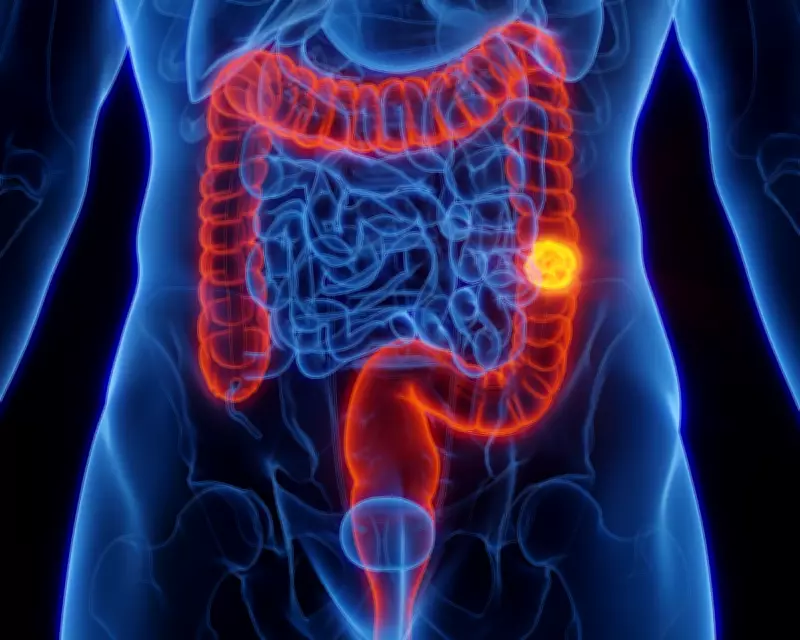
Understanding Colorectal Cancer: A Growing Concern for Younger Adults
Colorectal cancer, encompassing both colon and rectal cancers, is a significant global health issue. According to the World Health Organization, it ranks as the third most common cancer and the second leading cause of cancer-related deaths worldwide. While overall rates are declining, there is a troubling rise in cases among younger individuals, such as actor James Van Der Beek, who passed away at age 48 after a diagnosis in 2023.
What Is Colorectal Cancer and How Can It Be Prevented?
Colorectal cancer refers to cancers that develop in the colon or rectum, parts of the large intestine. Dr. Derek Ebner, a gastroenterologist at Mayo Clinic, notes that cancer can sometimes appear in both locations. Prevention is not guaranteed, as Dr. Deirdre Cohen, director of the gastrointestinal oncology program at Mount Sinai, explains it can be a random event. However, reducing risk is possible by avoiding smoking and heavy alcohol use.
A healthy diet plays a crucial role. Cohen emphasizes consuming plenty of fruits and vegetables while avoiding processed meats like hot dogs and bacon. The American Cancer Society links high red meat consumption to increased risk, with a 2024 study showing a 30% higher risk for those with the highest intake. Processed meat intake was associated with a 40% increased risk.
Dr. Ebner recommends lean meats and high fiber, often aligning with the Mediterranean diet. Exercise is another key factor; Cohen highlights its role in risk reduction and potential to lower recurrence. A 2025 study in the New England Journal of Medicine found that a structured exercise program improved disease-free and overall survival.
Hereditary Factors and Inflammation Links
Colorectal cancer can be hereditary, with genetic syndromes like Lynch syndrome increasing risk. Cohen advises individuals with a family history to seek genetic counseling and consider early colonoscopy. Chronic inflammation is also a risk factor, driven by conditions like inflammatory bowel disease or lifestyle factors such as alcohol use and ultra-processed foods. Ebner suggests inflammation may generate free radicals, causing DNA damage, though this relationship is still under study.
Rising Cases in Younger Populations
Despite overall declines due to increased screening, colorectal cancer is rising astronomically in people under 50 and under 40, says Cohen. Since 2010, rates in those under 50 have increased by about 3% annually, with death rates up 1% annually since 2005. Potential drivers, including ultra-processed foods and sugary beverages, are under investigation. Cohen notes that higher antibiotic use in childhood may link to risk, but the exact causes remain unclear, pointing to environmental changes.
Symptoms and Screening Recommendations
Colorectal cancer can be asymptomatic, making screening vital. Symptoms include blood in stool, changes in bowel habits, sudden weight loss, or abdominal pain. Ebner encourages patients to discuss these issues without embarrassment. In the U.S., screening is recommended starting at age 45, but many eligible individuals have not been screened. Screening methods include colonoscopy, stool-based tests, and blood tests, each with different benefits. Ebner advises that the best test is the one completed, improving adherence. For high-risk individuals, colonoscopy is optimal as it allows polyp removal.
Treatment and Outlook
Colorectal cancer is highly treatable with early detection. Stage 1 has a cure rate over 90%, while stage 4 is around 15%. Treatments vary by case and stage, including surgery, radiotherapy, chemotherapy, targeted therapy, and immunotherapy. Cohen stresses that early screening is effective, making this cancer curable when caught in time.