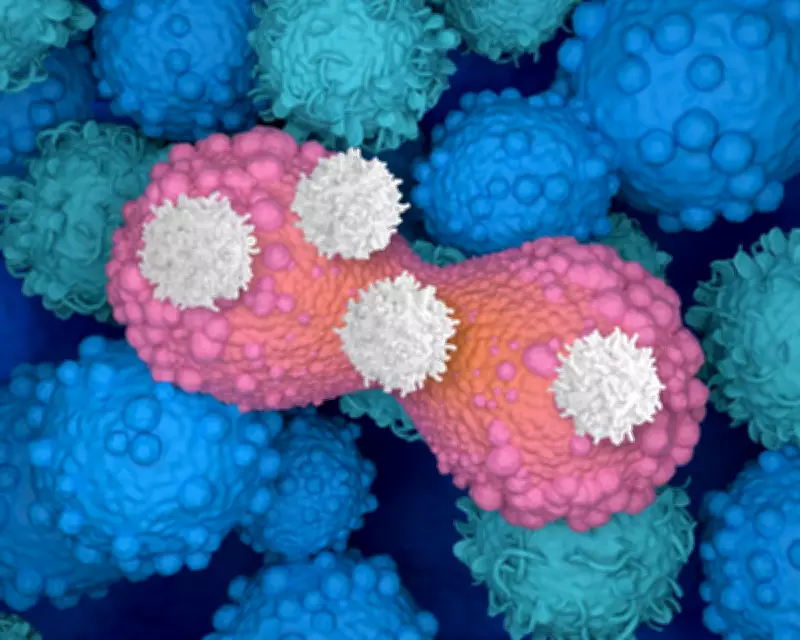
Immunotherapy has revolutionized cancer treatment, but its effectiveness is limited when tumors evade detection by the immune system. A new smart drug, GRWD5769, addresses this by stripping cancer cells of their 'invisibility cloak,' making them visible to T-cells. Early trial results show the drug can shrink tumors by at least 30% in six of the world's most common cancers.
Trial Overview
The phase 1 trial, spanning the UK, France, Spain, and Australia, involved 83 patients with cervical, bladder, liver, bowel, lung, or head and neck cancers. All participants had previously failed to respond to treatment, and most had no remaining options. The experimental drug GRWD5769 was administered alongside the immunotherapy cemiplimab. Results presented at the American Society of Clinical Oncology's annual meeting in Chicago revealed that tumors shrank in 26 patients, with 15 experiencing reductions of at least 30%.
Mechanism of Action
Cancer cells evade the immune system by manipulating an enzyme called ERAP1, which alters their appearance and hides them from T-cells. GRWD5769 inhibits ERAP1, effectively removing the invisibility cloak and exposing tumor cells to immune attack. This allows cemiplimab to identify and destroy cancer cells that were previously undetectable.

Efficacy Across Cancer Types
The drug halted disease progression for at least six months in a significant proportion of patients: 18% with cervical cancer, 32% with liver cancer, 36% with bladder cancer, 38% with head and neck cancer, 51% with bowel cancer, and 55% with lung cancer. These results are particularly noteworthy given that all patients had cancers resistant to prior immunotherapy.
Expert Commentary
Prof Fiona Thistlethwaite, principal investigator from the Christie NHS foundation trust, called the results 'very impressive' for an oral drug. She noted that the combination of strong efficacy signals across multiple tumor types with minimal side effects is unusual at this early stage. Prof Stefan Symeonides, UK principal investigator, described the findings as 'exciting' and emphasized the benefit to patients. Dr Samuel Godfrey of Cancer Research UK, while not involved in the trial, said the results are encouraging but stressed the need for larger trials to confirm lasting benefits.
The drug, developed by Oxford-based Greywolf Therapeutics, is taken as a tablet at home and was well tolerated. The trial is ongoing, with a larger study planned. If confirmed, GRWD5769 could significantly expand the number of patients who benefit from immunotherapy.