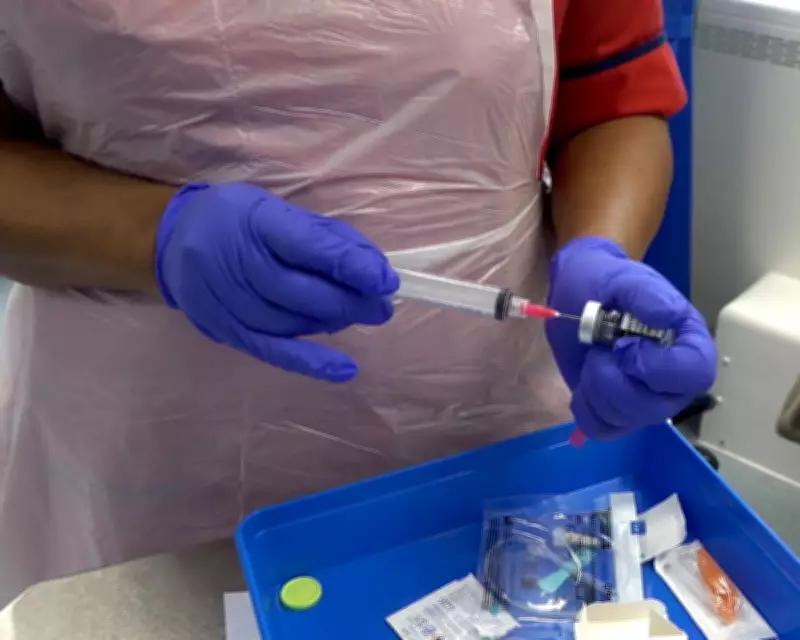
A nurse preparing a new immunotherapy injection for more than a dozen cancers at the Mount Vernon Cancer Centre in Hertfordshire highlights the growing role of these treatments. Clinical trials of immunotherapies have surged in the past decade as researchers translate understanding of the body's defences into powerful therapies. Leading the charge are cancer treatments, but other conditions such as infections, allergies, brain diseases, and autoimmune disorders are also being targeted.
What is immunotherapy?
Immunotherapies are biological treatments that harness the immune system to prevent, control, and fight diseases. Vaccines are the most familiar form, training the immune system to recognize targets like invading pathogens. Other immunotherapies boost weak immune responses or suppress overactive ones. Some use engineered immune cells or lab-made antibodies to disrupt disease processes.
When were they invented?
Efforts to prevent disease by boosting immunity date back thousands of years, but advanced therapies have emerged in the last two decades. A global registry listed 1,257 immunotherapy trials between 2006 and 2016, which jumped to 4,591 in the past decade. 'It's really exciting. People are starting to realise just how important the immune system is,' says Adrian Liston, an immunologist at the University of Cambridge. 'This is the era of immunology.'

How do cancer immunotherapies work?
Cancer patients have greatly benefited from immunotherapies, with dozens approved for over 30 cancer types. Some tumours evade defences by switching off immune cells, but checkpoint inhibitors reactivate them. Highly mutated cancers like melanoma respond well, but not all patients. A four-year study launched last week aims to understand why some patients do well while others barely respond, recruiting thousands with breast, bladder, kidney, and skin cancer.
Other antibody-based drugs, like herceptin, bind to tumours and flag them for destruction. Cancer vaccines, many using mRNA technology, are also promising, with over 100 in trials. Cellular therapies, such as harvesting and reinfusing immune cells or Car-T-cell therapy, have shown success. For instance, actor Sam Neill announced he was cancer-free after Car-T therapy for stage 3 blood cancer.
Samra Turajlić of the Cancer Research UK Manchester Institute notes a conceptual shift: 'We increasingly see cancer as something that's shaped by the immune system. In fact, the appearance of cancer is a failure of the immune system to eliminate it in the first place.'
Can they treat other conditions?
Cancer immunotherapies ramp up immune attacks, while those for other conditions aim to dampen them. Allergies like hay fever are treated by exposing patients to small amounts of allergens. Researchers are testing existing immunotherapies for broader use; a Bristol team recently gave tocilizumab, a rheumatoid arthritis drug, to depressed patients, showing hints of improvement.
Exciting new therapies draw on regulatory T-cells (Tregs), which stand down the immune system after a threat. Liston is developing a Treg therapy for multiple sclerosis, which could also reduce swelling after brain injury. Therapies for dementia, type 1 diabetes, rheumatoid arthritis, lupus, and inflammatory bowel disease are in development.
'Probably half of all deaths have a component that is immunological,' says Liston. 'It is an underlying theme across ageing, autoimmune diseases, allergies, infectious diseases, inflammatory diseases like diabetes. But one of the great things about the immune system is that it is very easy to change. We can adapt it to our purposes.'