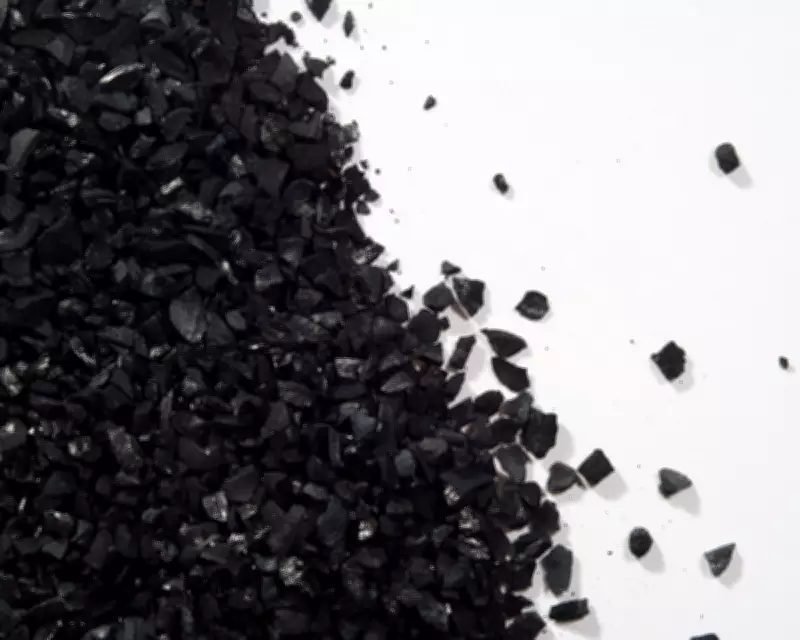
Houseplant enthusiasts often seek ways to elevate their plant care routine beyond basic survival, aiming for thriving greenery. One popular suggestion is activated charcoal, touted as a miracle additive for terrariums and potting soil. It claims to filter toxins, absorb odors, prevent mold, and maintain root health. But does it live up to the hype in an ordinary pot on a windowsill?
How Activated Charcoal Works
Activated charcoal operates through adsorption, trapping impurities on its porous surface. In closed systems like terrariums or bottle gardens, where water recycles and drainage is absent, a charcoal layer can slow the accumulation of gases and bacteria. However, standard houseplant pots with drainage holes present a different environment.
The Method
To test its effectiveness, add a thin layer of activated charcoal at the base of your pot before filling with compost. It is available at garden centers, houseplant shops, or online. A small amount is sufficient for most pots.

The Test
We used activated charcoal in half of a batch of repotted plants, leaving the other half in a standard potting mix. After two months, we observed no difference in root health, soil odor, or plant growth between the two groups.
The Verdict
In pots with drainage holes and regular watering, excess water drains freely. There is no stagnant system for charcoal to filter, so it remains in the pot, gradually becoming saturated. This adds cost without significant benefit. Activated charcoal is valuable in terrariums and closed systems but is an unnecessary expense for ordinary houseplants. Your plants will not notice the difference.