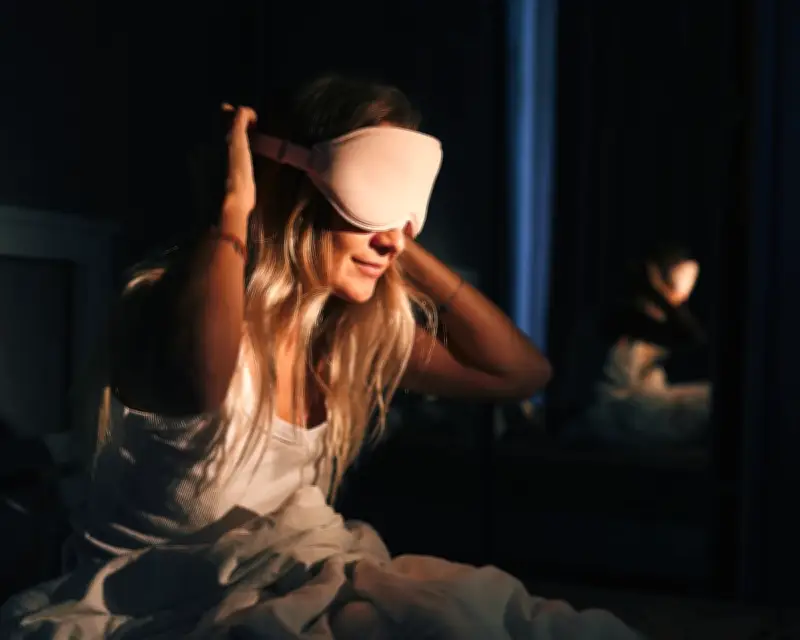
Sleep masks are widely used to block light and improve sleep, but they come with potential downsides such as acne, eye pressure, and hygiene concerns. Experts in sleep medicine, dermatology, and ophthalmology weigh in on the risks and benefits.
How Light Affects Sleep
Light suppresses melatonin production, delaying sleep onset. Even small amounts of light can increase arousal and shallow sleep, according to a Korean study. Sleep experts recommend keeping bedroom light below one lux at night.
Research on Sleep Masks
A 2023 meta-analysis of 31 studies found that wearing an eye mask, alone or with earplugs, was among the most effective interventions for improving sleep quality, outperforming aromatherapy and music.
Doctor Recommendations
The American Academy of Sleep Medicine does not officially endorse sleep masks but advises sleeping in darkness. Dr. Chris Winter, a sleep specialist, recommends masks for patients with uncontrollable light exposure, night shifts, or travel. He suggests a one-week trial.
Material Comfort and Skin Health
Dr. Mona Gohara, a dermatologist at Yale School of Medicine, notes that silk is gentler on skin, less absorbent, and better for acne-prone skin. Cotton is breathable but rougher, while synthetics like polyester can trap heat and clog pores.
Washing Frequency
Sleep masks should be washed every two to three uses, or more often if you have acne, to prevent rashes and infections. Treat them like pillowcases, suggests Dr. Gohara.
Avoiding Pimples
To prevent acne, choose breathable fabrics, wash the mask regularly, and cleanse your face before bed. Allow skincare products to absorb fully before putting on the mask to avoid clogging pores.
Wrinkle Prevention
Dr. Gohara states there is no strong evidence that sleep masks prevent wrinkles. However, smooth materials like silk may reduce sleep creases and friction, potentially minimizing temporary lines.
Eye Pressure Concerns
Dr. Kamat, an ophthalmologist, says standard flat masks do not typically exert enough pressure to harm eyes. Contoured masks may reduce contact with eyelids and lashes, but properly fitted flat masks are safe.
Velcro vs. Sliding Adjusters
Velcro straps are wider and more padded but may lose stickiness over time. Sliding adjusters allow precise fit and are silent but may leave hair dents and apply more pressure. Preference is personal.
Daily Use and Safety
Wearing a sleep mask every night is safe if the room cannot be darkened and the mask is kept clean. However, relying on sleep aids may worsen sleep issues for some, notes psychologist Kristin L. Daley.
Who Should Avoid Sleep Masks
The American Academy of Pediatrics advises against sleep masks for babies due to suffocation risk. Young children and older adults with cognitive impairment or fall risk should also avoid them, says Dr. Winter.