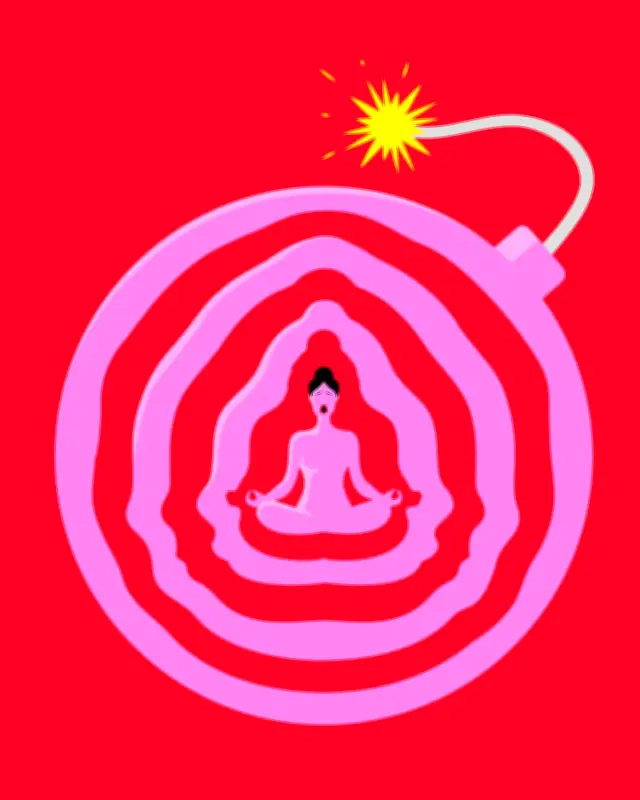
According to psychology research, the human mind naturally gravitates towards solving problems by adding elements rather than removing them, a tendency called 'additive bias'. This can stall or worsen issues, especially under cognitive load.
Additive bias in problem-solving
A report by Diana Kwon for Scientific American notes that people generally find fault with subtractive solutions more readily than additive ones. When presented with a problem, our penchant for loading up on 'more resources, more rules, more habits and responsibilities' can be counterproductive. Studies show that under heightened cognitive load, such as juggling work deadlines and global concerns, the effect becomes more extreme.
Mental health advice favors 'doing more'
A collection of 2025 studies published in Communications Psychology examined additive versus subtractive treatments for mental health struggles. Participants consistently recommended additive solutions like meditating and exercising over subtractive ones like quitting smoking or limiting alcohol. They rated additive solutions as more 'feasible and effective', even when subtractive fixes were measurably easier and more efficient. Researchers found that people tend to get more additive as they age, and even ChatGPT advice is biased towards additive solutions.
'This bias has the potential to create a social context in which we are advising one another to always do more,' the studies' authors concluded. 'In a world where we already feel like we are time poor and doing too much, there is a sense that we must do yet more to cope with the sadnesses and anxieties of life … potentially leaving us more overwhelmed.'
Expert insights on subtractive solutions
Dr Tom Barry, lead author from the University of Bath's department of psychology, stated: 'While well-meaning, [this] can unintentionally make mental health feel like an endless list of chores. Good advice should balance doing more with doing less.'
Therapist Linda Sanderville advocates a subtractive approach: freeing up periodic slices of time with no media consumption. 'It's hard to consume and create in the same state,' she explained. 'If you value any kind of creativity, give your brain a break from consuming.' She advises asking: 'How can you figure out a way to be grinding less so that you can be more creative, more influential? How can you spend your energy on the things that deeply matter to you?'