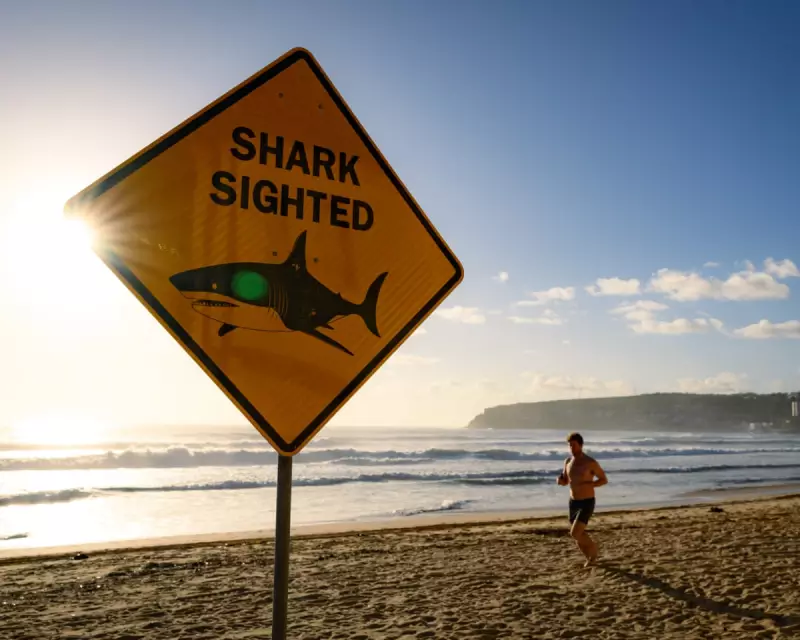
A stark warning sign now stands on Manly Beach in Sydney's northern suburbs, alerting visitors to the heightened risks of shark encounters. This precaution follows a dramatic series of events that has shaken coastal communities across New South Wales.
Beach Closures After Multiple Attacks
Authorities have been forced to close several popular beaches this week following four separate shark attacks occurring within just 48 hours along Australia's eastern coastline. Three of these frightening incidents took place in the Sydney metropolitan area, prompting immediate safety measures and widespread concern among residents and tourists alike.
The Psychological Impact on Water Lovers
The traditional Australian saying "You never regret a swim" has taken on new meaning this week. For many Sydney residents, entering the water now feels like playing Russian roulette with nature. The sparkling January waters that normally beckon swimmers have become sources of anxiety rather than relief from the summer heat.
Beachgoers are now engaging in complex mental calculations before entering the water. Questions about water depth, time of day, water clarity, rainfall patterns, and the presence of other swimmers dominate conversations along the shoreline. The psychological impact has been profound, with many people reconsidering their relationship with the ocean that defines so much of Sydney's lifestyle.
Statistical Reality Versus Perceived Danger
While statistics show that shark fatalities remain relatively rare compared to other risks like drowning or road accidents, the recent cluster of attacks has created a powerful psychological effect. According to data from the Taronga Conservation Society Australia, the average number of shark bite incidents has been increasing steadily since the 1950s.
In the current decade, Australia has been recording an average of 27 shark bite incidents annually, with approximately three proving fatal on average. The year 2025 saw slightly fewer injuries but a marginally higher number of fatalities compared to the decade's average figures.
Personal Experiences Amplify Fear
The abstract statistics become much more tangible when personal experiences enter the equation. Many Sydney residents now share stories that bring the danger closer to home. From neighbours being attacked near harbourfront properties to witnessing emergency responses at popular beaches, these personal encounters have amplified the collective anxiety.
One resident described walking to the water's edge at Byron Bay on a perfect day, only to discover why nobody was swimming - emergency services were attending to a fatal shark attack victim further down the beach. Such experiences linger in memory and influence future decisions about water safety.
The Cultural Significance of Beach Access
Access to coastal waters represents more than just recreation in Sydney - it forms a fundamental part of the city's identity and lifestyle. The "good life" in this harbour city has long been associated with the freedom to enjoy ocean waters whenever desired. This cultural connection makes the current safety concerns particularly disruptive to daily life and community wellbeing.
The water shapes everything from leisure activities and social interactions to economic patterns and urban planning. Remove easy access to safe swimming, and Sydney loses a defining characteristic that distinguishes it from other global cities.
Seeking Solutions and Information
As confidence gradually returns between attack clusters, many are calling for better public information systems. Just as residents check weather apps for UV ratings or fire danger warnings, there's growing demand for reliable shark activity alerts. Many beachgoers are discovering they lack basic knowledge about shark behaviour, such as how brackish water, splashing, or storm conditions can attract sharks closer to shore.
The current situation represents a delicate balance between maintaining access to Sydney's defining natural feature and ensuring public safety. While memories of this sharky summer will eventually fade, the conversation about improving warning systems and public education continues to gain momentum among concerned residents and authorities alike.