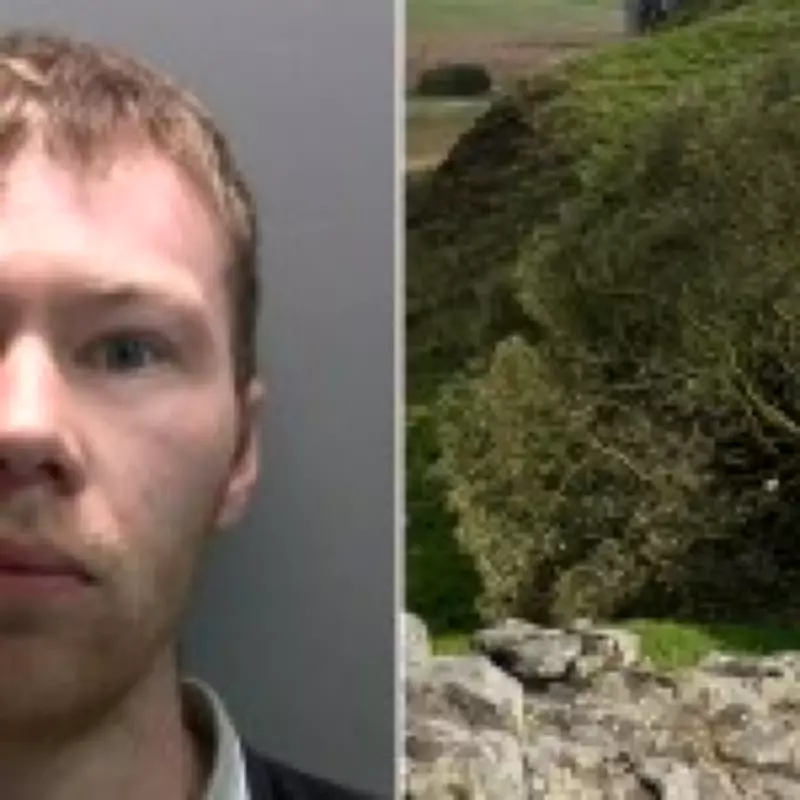
One of the two men responsible for the notorious felling of the iconic Sycamore Gap tree in Northumberland has been released from prison after serving only ten months of his four-year sentence. Adam Carruthers, aged thirty-three, was granted early release under the Home Detention Curfew Scheme in March, following a risk assessment conducted by prison authorities.
The Moronic Mission That Shocked the Nation
In September 2023, Carruthers and his accomplice, Daniel Graham, aged forty, embarked on what the court described as a 'moronic mission' to chop down the famous tree located at Hadrian's Wall. The pair drove forty minutes during the night, equipped with tools, and managed to fell the majestic sycamore in under three minutes. Their actions not only destroyed a beloved landmark, estimated to be up to 120 years old and famously known as the Robin Hood tree, but also caused damage to the historic wall itself.
Legal Consequences and Early Release
During their trial, both men were informed that they would serve forty percent of their sentences in prison, with the remainder to be completed on licence in the community. Carruthers' release after approximately ten months aligns with this structure, facilitated by the Home Detention Curfew Scheme. A Ministry of Justice spokesperson emphasized that individuals released under this scheme face strict licence conditions, including wearing an electronic tag and adhering to a curfew, with violations potentially leading to a return to prison.

In an off-camera interview with ITV at a turf business in Cumbria where he previously worked, Carruthers expressed his happiness at being out of prison. However, he remains subject to ongoing supervision and must comply with all licence requirements to avoid further incarceration.
Legacy of the Sycamore Gap Tree
While the original Sycamore Gap tree, which inspired numerous films and poems, is now reduced to a stump, efforts are underway to preserve its legacy. The National Trust rescued cuttings from the tree and planted saplings last year, offering hope that its genetic lineage might continue. Scientists managed to salvage nearly fifty saplings before it was too late, providing a potential future for this cultural and natural icon.
The early release of Carruthers has sparked discussions about sentencing and rehabilitation for environmental vandalism, highlighting the balance between punishment and reintegration into society. As the community and nation reflect on the loss, the focus shifts to protecting and nurturing the new growth from the fallen tree.