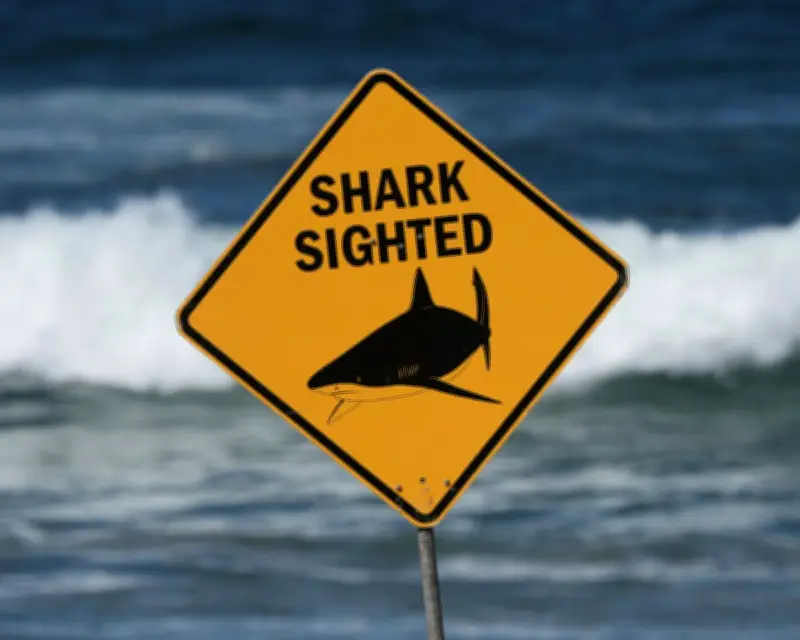
Across Australia, authorities provide swimmers with a standard set of guidelines to reduce the risk of shark bites. Some commercially available deterrent devices can further decrease the chance of an attack. This comes after a recent shark attack off a Sydney beach left a woman with critical injuries, heightening vigilance among beachgoers.
Shark Bite Statistics in Australia
Each year, about 16 million Australians visit the coast, and approximately 42% enter the water, according to Surf Life Saving Australia. While rare, shark bites can be devastating, with bull, tiger, and white sharks responsible for the most serious incidents. Last year, roughly one-third of unprovoked shark bites globally occurred in Australia, along with half of shark-related fatalities, based on Florida Museum of Natural History data.
Why Do Sharks Bite Humans?
Professor Culum Brown from Macquarie University explains that bites happen for various reasons, including mistaken identity. "White sharks often rely on silhouettes, and when they see a surfboard, it resembles a seal," he says. Curiosity also plays a role, especially in juvenile sharks exploring their environment. Bites can also be defensive, occurring when divers or spear fishers accidentally provoke sharks.
Do Personal Shark Deterrents Work?
Professor Charlie Huveneers from Flinders University notes that the first line of defense is reducing overlap between sharks and people. Technologies like drones, shark-listening stations, and smart drum lines can alert swimmers to leave the water. Personal deterrents, particularly electric ones that emit a strong electrical pulse, can reduce shark interactions by about half, though no device offers guaranteed protection. The Western Australian government offers a $200 rebate for approved deterrents.
Do Shark Bite-Resistant Wetsuits Work?
Bite-resistant wetsuits, reinforced with Kevlar or sailing rope fibers, may not prevent encounters but can reduce injury severity. Studies testing these materials with white and tiger sharks found they can limit lacerations and punctures, potentially saving lives. However, internal and crushing injuries may still occur.
What to Do After a Shark Bite
Shark bite kits, containing tourniquets, blankets, and dressings, have been distributed to 129 Surf Life Saving clubs in NSW to control bleeding before emergency services arrive.
General Safety Tips
- Stay close to shore and swim between flags in patrolled areas.
- Swim with others and avoid dawn and dusk when sharks are more active.
- Stay away from fishing areas, river mouths, estuaries, and murky waters.
- Avoid swimming with pets or after heavy rainfall.
Combining area-based measures with personal deterrents, injury-reducing materials, and improved first aid offers the most effective approach to reducing shark bite risks.