Scottish Nature Restoration Funding Deal Collapses Without MSPs' Knowledge
A funding agreement aimed at raising £100 million from private investors for urgent nature restoration projects in Scotland has fallen through, with members of the Scottish parliament not being informed about the collapse. The Guardian has exclusively revealed that Aberdeen, an investment firm, withdrew from a partnership with the agency NatureScot late last year, a move that was not disclosed to lawmakers.
Ministerial Silence and Accusations of Secrecy
When Highlands Labour MSP Rhoda Grant tabled a question at Holyrood seeking an update on the nature investment partnership, Scottish National party agriculture minister Jim Fairlie provided only a vague response. He stated that NatureScot "continues to engage with a range of investors" and noted that "no private finance has yet been directed through the partnership into on-the-ground projects." Sources with direct knowledge indicate that Aberdeen pulled out by December last year due to concerns over insufficient returns on investments.
NatureScot briefed stakeholders in February about the withdrawal, but both the agency and Aberdeen refused to confirm or deny the development, citing civil service rules that restrict public comments during election campaigns on policies not in the public domain. Notably, NatureScot's webpage for the partnership still lists Aberdeen as a member, adding to the confusion.

Political Fallout and Calls for Transparency
Jackie Baillie, Scottish Labour's deputy leader, has demanded an urgent explanation, accusing the SNP government of keeping the collapse under wraps to avoid embarrassment ahead of an election. "Scotland deserves to know what went wrong and what the consequences will be for the important work of nature restoration," she asserted. An SNP spokesperson did not deny Aberdeen's withdrawal or whether Fairlie was aware in March, arguing that Grant's question was "generic" and did not name the firm.
The spokesperson emphasized that the nature investment partnership remains a key component for delivering private investment into nature restoration, with the SNP committed to supporting responsible private investment in natural capital. However, this incident marks the second failure of NatureScot's efforts to attract private investors for nature restoration, following an earlier collapse in 2023.
Historical Context and Funding Challenges
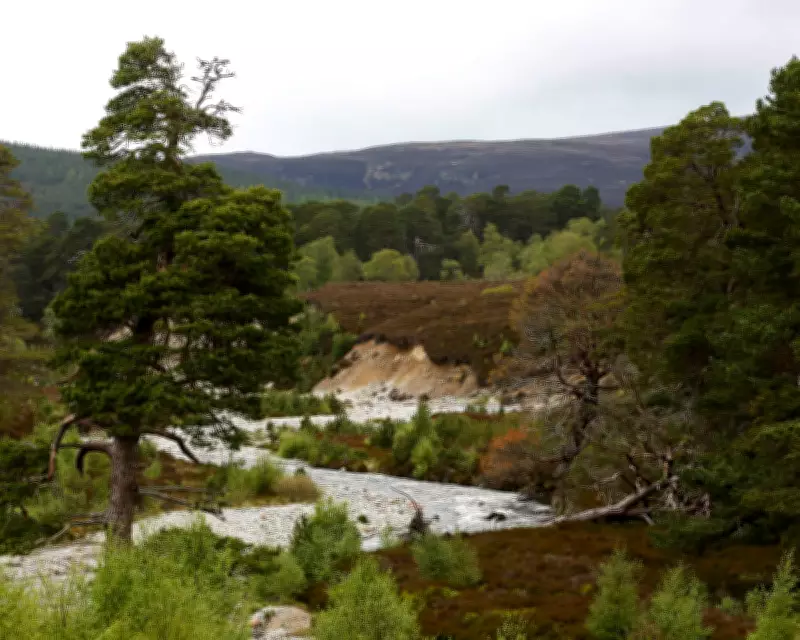
Initially unveiled in early 2023 by then Scottish Greens minister Lorna Slater, the programme aimed to generate up to £2 billion in private financing for planting millions of native trees and restoring degraded peatland. Slater signed deals with Hampden & Co, Palladium, and Lombard Odier, but skepticism from conservation and financing experts led to its rapid dissolution. Experts argue that very few pension funds, banks, or private investors are willing to invest in nature recovery due to low, long-term, and uncertain returns.
NatureScot's model relies on private funders covering costs not met by public subsidies, paying landowners rent, and sharing profits from carbon credits once woodlands mature. With Aberdeen's exit, the UK government's national wealth fund withdrew its £50 million offer, as match-funding was no longer available. This has exposed weaknesses in a funding model dependent on private financing rather than government investment.
Expert Analysis and Future Implications
Tom Gegg, a nature finance expert formerly with Palladium, highlighted in a blog for the thinktank Future Economy Scotland that the gap between public funding and the cost of nature restoration in Scotland by 2040 is estimated at £6.6 billion. He advocates for UK state-owned investment banks to take over funding, noting that growing trees is a slow way to generate profits compared to investments like windfarms.
Laurie Macfarlane, a codirector of Future Economy Scotland, expressed concern over the lack of transparency, stating that restoring woodlands and peatlands is crucial for Scotland's net zero pathway. "It is time to face the facts: nature is a public good, and meeting targets will require coordinated public investment. We can’t afford to waste any more time waiting for private finance that simply isn’t going to materialise," he concluded.