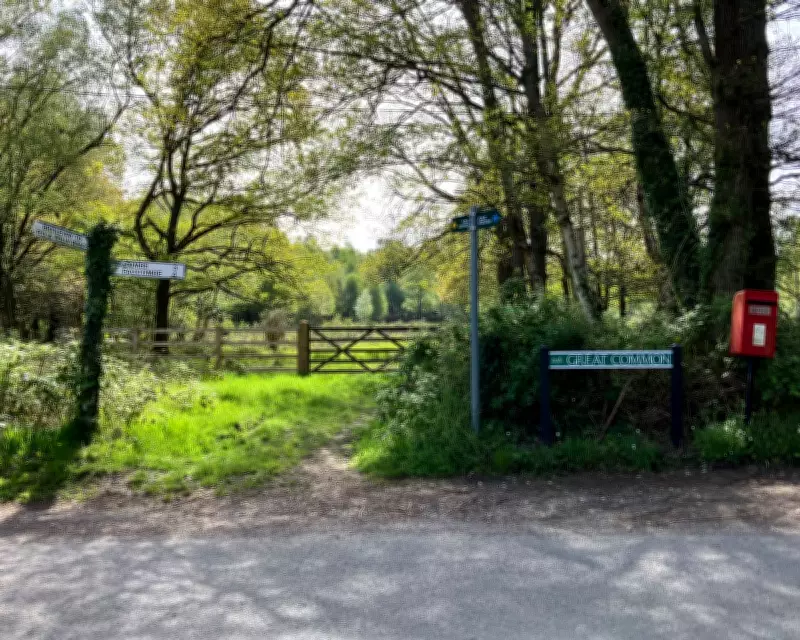
The entrance to Inkpen Common, captured in a photograph by Nicola Chester, shows a path leading into a serene landscape. This common, a precious natural area, owes its existence to the efforts of Lillian Watts, a woman who dedicated much of her life to preserving it.
A Bench in Disrepair, a Legacy Intact
Lillian Watts’s bench has fallen into disrepair, so I sit instead on Arthur’s Seat on the common. Warmth rises from the heath, even on this chilly spring morning. A lizard creates curvaceous lines under the dry, still-dormant heather. It is both Lillian’s and my birthday, though she died in 1989 at the age of 93. I play a recording of her from 1975, made by the village’s history society. Poet, potter, English teacher, naturalist, and formidable campaigner, she—along with villagers such as Arthur Cooke (1898-1980)—saved this place from development. Lillian’s voice is measured, soft, and annunciated, with the clipped vowels of her time.
First Encounter with the Common
She first came to the common on a birthday cycling trip in 1907 to hear its famous nightingales. During her visit, she met the large Romany encampment. Returning married in 1935 to live in the wonderfully named Crumplehorn Cottage on the edge of the common, Lillian found many of the Gypsy families—respected village members by all accounts—had been removed, yet they settled as her neighbours or in new council houses built on part of the heath. The rest of the heath was by then a Poor’s Allotment, used for grazing and gathering gorse bundles, known as furzy bavins, whose quick, crackling heat would fire bread ovens.

Conservation Efforts
Lillian rented 12 acres where, alongside neighbours’ geese, pigs, and horses, she cleared some of the scrub. She found a scarce pale dog violet, Viola lactea, as well as petty whin, bog asphodel, lousewort, milkwort, and dodder. In 1970, with the common threatened by development, the village invited the Wildlife Trust to rent it; they agreed. When Lillian left the trust her beloved Crumplehorn, it was able to buy the common, and her legacy was complete.
The Nightingale’s Song
At the end of the tape, Lillian takes us onto the common to hear a nightingale—loud, beautiful, and gone now. In the background, the birdsong astonishes. When the recording finishes, I listen to the birds around me. What was a rich aural blur is now ragged with absence, yet still here. If you did not know what Lillian knew, you would think it rich with willow and garden warblers, blackcaps, chiffchaffs, and the first cuckoo, almost always heard here first.
Under the Changing Skies: The Best of the Guardian’s Country Diary, 2018-2024, is available now at guardianbookshop.com.