Network Rail is under fire for blocking bird nesting sites in two separate incidents in Perthshire and Derbyshire, sparking outrage among environmental campaigners and local residents. The controversy highlights ongoing tensions between infrastructure maintenance and wildlife conservation efforts across the United Kingdom.
Perthshire Sand Martin Colony Displaced
In early 2024, Network Rail conducted repointing work on the Inver viaduct over the River Braan in Perthshire, which resulted in the blocking of nesting sites for a colony of sand martins. Despite repeated assurances from the rail company that mitigation measures would be implemented, no restoration of the nesting sites has occurred to date. This action directly contradicts Network Rail's own biodiversity strategy, which commits to protecting and enhancing natural habitats.
Derbyshire Swift Nesting Sites Blocked
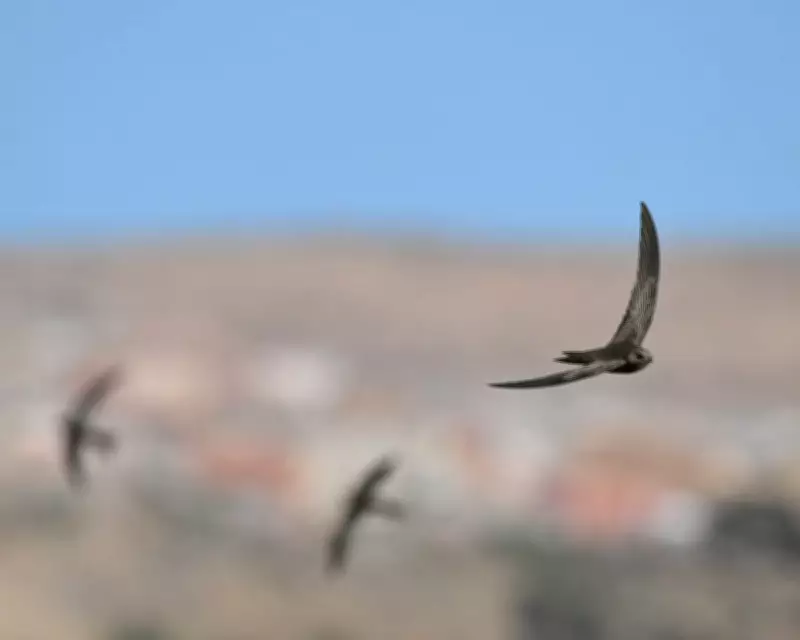
The issue mirrors a similar case in Derbyshire, where Network Rail blocked swift nesting holes in the Chapel Milton viaduct. This prompted a Guardian article on April 10, detailing the anger and frustration of local campaigners. The parallel incidents suggest a pattern of behavior that prioritizes infrastructure upkeep over environmental stewardship, according to critics.

Environmental Impact and Fragmentation
Sue Atkinson, a resident of Inver, Perthshire, expressed her distress over the situation, stating, 'This is yet another nibble taken out of our fragile and fragmented natural environment.' Her comments underscore the broader concern that such actions contribute to the degradation of natural habitats, which are already under pressure from urban development and climate change. The blocking of nesting sites not only displaces bird populations but also disrupts local ecosystems, potentially leading to long-term biodiversity loss.
Network Rail's Response and Accountability
Network Rail has faced scrutiny for its handling of these incidents, with campaigners calling for greater accountability and adherence to environmental policies. The company's biodiversity strategy, which aims to minimize negative impacts on wildlife, appears to have been overlooked in these cases. Environmental advocates are urging Network Rail to take immediate corrective actions, including restoring the blocked nesting sites and implementing more robust monitoring systems to prevent future occurrences.
Broader Implications for Wildlife Conservation
These events raise important questions about the balance between infrastructure maintenance and wildlife protection in the UK. As natural environments become increasingly fragmented, the need for coordinated conservation efforts becomes more urgent. The cases in Perthshire and Derbyshire serve as a reminder of the challenges faced in preserving biodiversity amidst ongoing development and industrial activities.
Campaigners hope that the swift nesting site issue in Derbyshire will see more successful resolution than the sand martin case in Perthshire, where efforts to engage with Network Rail have so far yielded little progress. The outcome of these disputes could set a precedent for how similar conflicts are managed in the future, influencing policies and practices across the rail industry and beyond.