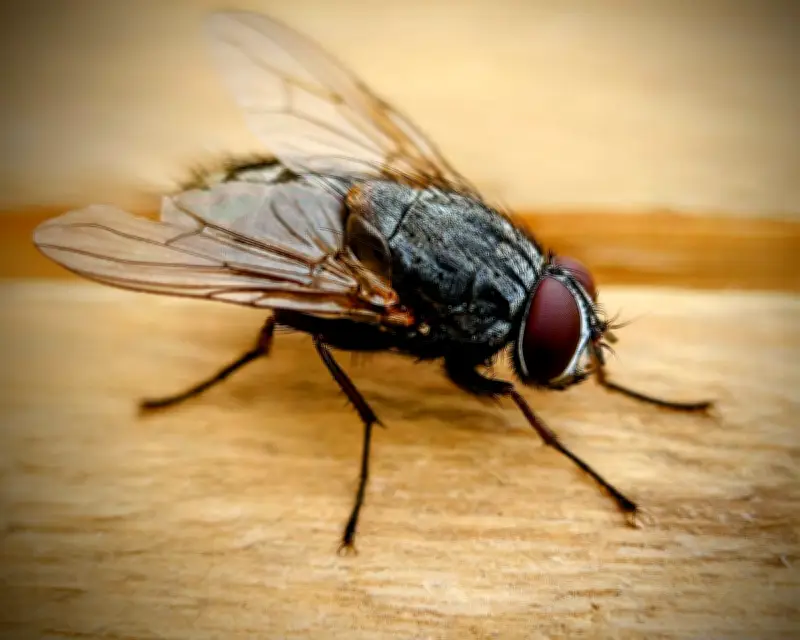
Emma Beddington has long harboured a visceral hatred of houseflies, but new insights into their intelligence and ecological importance have prompted a change of heart. In a recent column, she admits to threatening flies with death and pursuing them with a newspaper, yet after reading Jonathan Balcombe's book Super Fly: The Unexpected Lives of the World’s Most Successful Insects, she now sees them as underappreciated creatures worthy of respect.
The case against houseflies
Beddington acknowledges the scientific case against flies is strong. A 2023 paper describes them as 'filth-associated organisms and public nuisances,' noting they harbour over 200 pathogenic bacteria strains including salmonella, E. coli, and campylobacter. Another study, titled 'Flourishing in filth,' highlights their role as vectors for infectious disease and antimicrobial resistance. Flies defecate every four to five minutes on any surface they land on. This revulsion, she suggests, may be an evolutionary adaptation to keep humans safe.
Surprising intelligence and ecological value
Despite their gross habits, flies exhibit remarkable cognitive abilities. Studies on fruit flies show they can learn, avoid painful stimuli, and make rational decisions. Male fruit flies appear to 'enjoy ejaculation as much as men,' though research on female sexual reward is lacking. Beddington, a former vegetarian concerned about invertebrate decline, realised flies are vital food for birds and spiders, and their larvae (maggots) are ecological anchors that break down organic matter, nourishing plants and fungi.
Balcombe warns that failing to respect flies is 'not merely a moral mistake; it is a fatal ecological error.' Beddington now vows to stop swatting them, even as one strolls across her desk. She will remember their potential for pleasure and their indispensable ecological work. However, she draws the line at enjoying the tickle of a fly's feet on her skin, calling that 'over my dead, flyblown body.'