K'gari Dingo Tragedy Sparks Urgent Tourism Review
The tragic death of a young Canadian backpacker on Queensland's K'gari (formerly Fraser Island) has ignited a crucial debate about the delicate balance between tourism and wildlife protection on this world-heritage listed destination. Piper James, a 19-year-old Canadian woman described by her grieving father as his "precious little baby girl," was found deceased on Monday morning near a shipwreck site, with her body surrounded by dingoes on a remote stretch of white sand beach.
Coroner's Investigation Underway
Queensland's coroner is currently conducting a thorough investigation into the circumstances surrounding Piper James's death, with preliminary findings indicating a complex situation. According to official statements from the coroner's court, an autopsy has revealed physical evidence consistent with drowning alongside injuries matching dingo bites. Crucially, authorities have noted that "pre-mortem dingo bite marks" were "not likely to have caused immediate death," while confirming the presence of extensive post-mortem dingo bite marks.
The coroner's spokesperson emphasised that further scientific testing would be required to establish a definitive cause of death, with pathology results expected to take several weeks to process. Police have confirmed there is no evidence suggesting any other person was involved in the incident, focusing attention instead on the island's unique environmental and wildlife dynamics.

K'gari's Unique Ecological Status
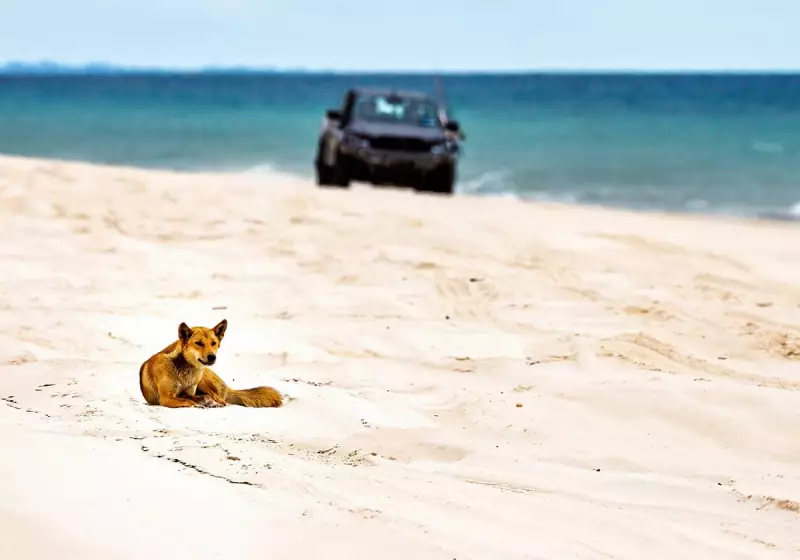
K'gari represents an extraordinary ecological treasure, described by UNESCO as featuring "majestic" tall rainforests, perched freshwater lakes, and shifting sand-dunes that form the largest sand island on Earth. The island is home to approximately 150 permanent human residents and supports a genetically distinct population of dingoes, known locally as wongari in the language of the Butchulla traditional owners. These lean yellow and white canids hold sacred status for First Nations people and are specifically mentioned in the island's world heritage listing.
Bradley Smith, a senior lecturer at Central Queensland University and human-animal relationship expert who has extensively researched K'gari's dingo population, estimates between 100 and 200 of these protected animals roam the island's beaches and sand dunes. Smith emphasises that any reduction in this closed island population would have "catastrophic" consequences for their long-term viability, given their protected status as Australia's only native dog species, descended from south Asian wolves.
Tourism Pressures and Behavioural Concerns
The K'gari World Heritage Advisory Committee (KWHAC) has repeatedly warned that over-tourism is increasingly creating dangerous conflicts between dingoes and visitors. With hundreds of thousands of tourists visiting the 120km-long island annually, concerning behavioural patterns have emerged, including some visitors deliberately feeding dingoes to coax them closer for photographs and selfies.
Sue Sargent, chair of KWHAC, has stated that excessive tourism directly increases the risk of human-dingo conflicts by contributing to the number of animals becoming habituated to human presence. She has further warned that uncontrolled visitor numbers threaten to "destroy" the island's delicate ecological balance, raising urgent questions about sustainable management practices.
Political Responses and Future Directions
Following the tragedy, Queensland Premier David Crisafulli faced questions about potential dingo culls on the island, responding cautiously that authorities were "determined to get to the bottom of the cause, and then we'll respond." The premier has already ruled out implementing tourist caps on K'gari, despite suggestions from experts like Smith that visitor numbers might need limitation to ensure sustainable coexistence.
Smith argues passionately that tourism and dingo conservation "are compatible" on K'gari, provided visitor behaviour undergoes significant transformation. "Many people love seeing dingoes in the wild, and specifically go to K'gari to experience it – I don't want to remove that," he states, while emphasising that "this is a human problem – not a dingo problem."

The tragedy has highlighted the complex challenges facing Queensland's tourism authorities as they attempt to balance visitor experiences with wildlife protection and ecological preservation on one of Australia's most iconic natural destinations.