The Sticky Truth About Kitchen Waste and Sewer Systems
While cooking oils may appear harmless as they swirl down the kitchen sink, they pose a significant threat to urban infrastructure. These seemingly innocuous liquids congeal, solidify, and accumulate within pipes over time, contributing to the formation of massive fatbergs that plague sewerage systems worldwide.
Understanding the Fatberg Phenomenon
Fatbergs represent one of the most challenging problems for wastewater management authorities. These monstrous accumulations of fats, oils, and grease – commonly referred to as FOG – combine with other materials like wet wipes to create stubborn blockages that can span the length of multiple buses. The consequences extend beyond mere inconvenience, sometimes leading to sewage overflows and even forcing event cancellations, as occurred with a Bryan Adams concert affected by such infrastructure issues.
Professor Stuart Khan, a water quality and treatment expert at the University of Sydney, explains the severity of the situation: "When you get blocked sewers, you get all sorts of problems. You get overflow of raw sewage coming out at designated – or undesignated – overflow points within the system." The removal process requires intensive manual labor, driving up maintenance costs significantly.

Proper Disposal Methods for Common Kitchen Liquids
Water authorities universally recommend that only three substances should enter drainage systems: water, human waste, and toilet paper. All other materials require alternative disposal methods to protect infrastructure and the environment.
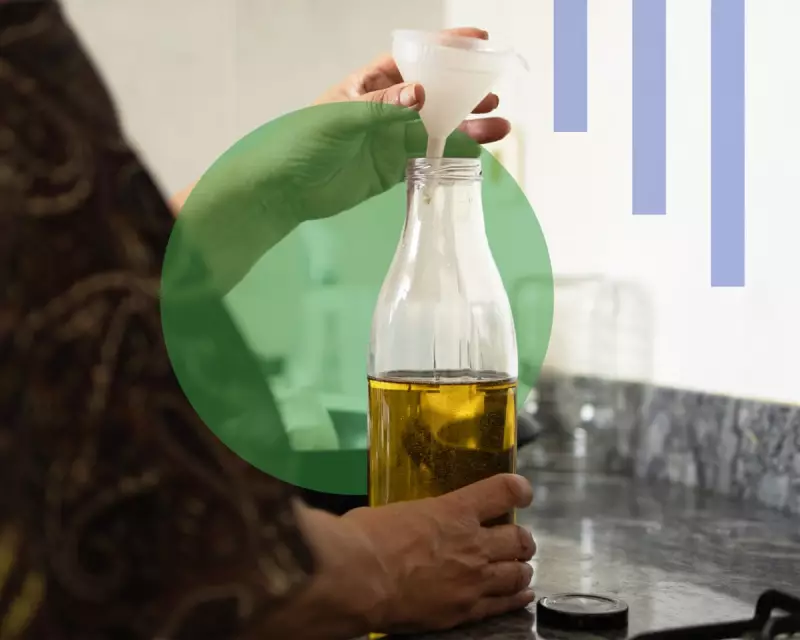
For cooking oils and fats, the solution begins with simple behavioral changes:
- Use paper towels to wipe greasy pans before washing
- Collect larger quantities in sealed containers for regular bin disposal
- Employ sink strainers to capture food particles
- Avoid using in-sink garbage disposal units that increase wastewater loads
Professor Faisal Hai from the University of Wollongong emphasizes: "If we have a frying pan with some oil or some sticky material, can we use some paper towel to wipe that off and put that into the bin rather than into the sink."
Beyond Cooking Oils: Other Problematic Liquids
Out-of-date milk presents another common household challenge. Like cooking oils, milk contains fats that contribute to FOG accumulation. Ben Armstrong, Sydney Water's principal environment manager, suggests several disposal options:
- Dilute leftover milk with equal parts water for garden use
- Dispose of sealed containers in regular rubbish bins
- Practice mindful purchasing to avoid excess
More hazardous substances require even greater caution:
- Paints, solvents, and pesticides can damage treatment infrastructure
- Motor oils and industrial chemicals often bypass treatment processes entirely
- Pharmaceuticals should never be flushed, as they can harm aquatic ecosystems
Khan warns: "Wastewater treatment plants aren't designed to break down most types of pesticides and a lot of industrial chemicals present in paints. So they will go through the sewerage treatment plant and into the environment."
Sustainable Solutions for Household Liquid Waste
Sue Jackman, an executive general manager at Melbourne Water, underscores the importance of public awareness: "Residents play a crucial role in protecting our wastewater system by knowing what they can, and can't, put down their sinks and toilets. The safest option is to dispose of unwanted liquids and chemicals through household rubbish or council waste facilities, not the wastewater system."
Additional sustainable practices include:

- Choosing phosphate-free or eco-friendly cleaning products
- Utilizing pharmacy take-back programs for expired medications
- Supporting community education about proper waste disposal
- Advocating for improved wastewater treatment technologies
With more than 720 sewage treatment plants across Australia relying on biological processes to break down organic material, every household's choices directly impact system efficiency and environmental health. By adopting responsible disposal habits, communities can significantly reduce fatberg formation and protect vital water infrastructure for future generations.