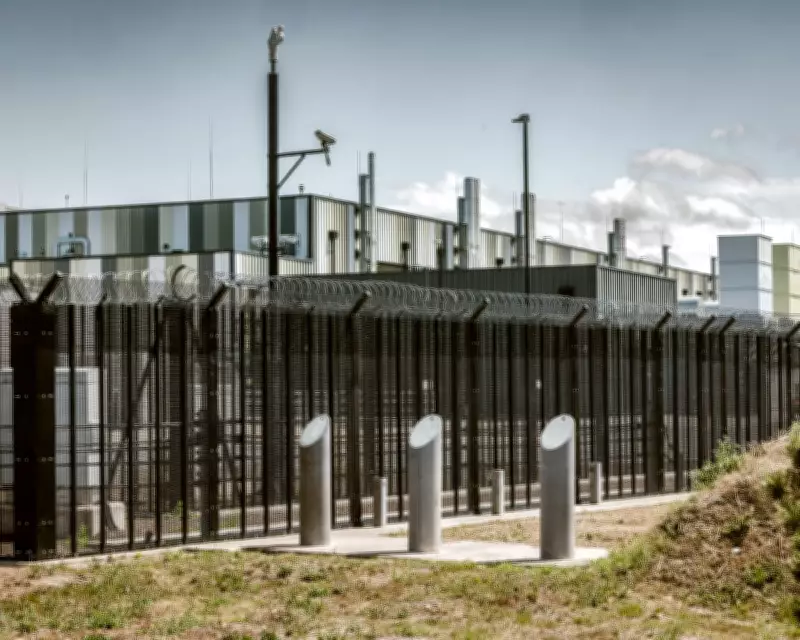
Increasing energy usage by datacentres is a concerning issue, as is the associated environmental cost. Datacentres use up huge and rapidly increasing amounts of electricity, and data storage is responsible for more carbon emissions than the commercial airline industry. This is to say nothing of the contribution to land and water use, e-waste, supply chain issues, refrigerant gas leaks etc.
Individual Actions Can Help
However, we as individuals do have some power to reduce this problem. While we have been led to believe that storing photos and files on our phones and other devices is cost-free, this is the actual cost. By exercising responsible data management and deleting what we no longer use or need, we can help to ease the demand for data storage and the related impacts on our environment.
Reducing data clutter also means our devices run more smoothly and last longer, and it takes less time to find the information we need.

Repurposing Waste Heat
Datacentres produce substantial amounts of waste heat. In the context of net zero, we cannot afford to entertain the notion of waste heat. The heat is often of a relatively high grade or temperature that could be repurposed for district heating, agricultural greenhouses, hot water, etc. This would strongly influence the carbon budget and seems an easy win. Yet it is not mandated that datacentres be located closer to where they can be put to such uses.