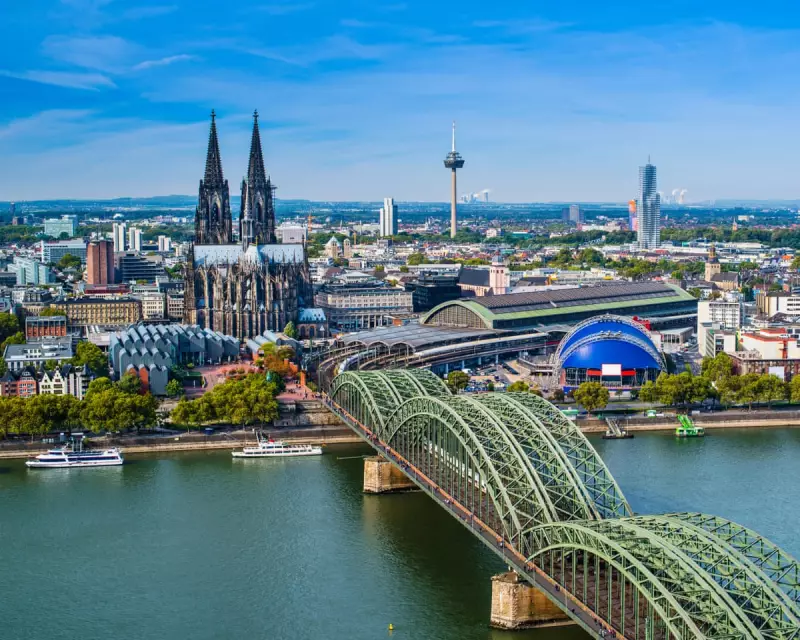
New scientific research has delivered a stark warning about the scale of pollution flowing from one of Europe's major rivers, revealing that the Rhine discharges up to 4,700 tonnes of litter into the North Sea every single year.
Citizen Scientists Uncover a Toxic Tide
The alarming findings are the result of a year-long study led by the University of Bonn, which ran from November 2022 to November 2023. A key element of the project involved dedicated citizen scientists who collected and catalogued waste captured by a specialised floating litter trap anchored in the river at Cologne.
These volunteers performed what lead researcher Dr Leandra Hamann, a zoologist at the University of Bonn, called "really great work". They were responsible for retrieving rubbish from the trap, transporting it for analysis, and meticulously logging each item using a custom-designed mobile application.
The trap itself captured nearly 2,000 kilograms of waste during the monitoring period. Analysis showed that 15% of the captured material was plastic, while more than a quarter, 28%, was related to food and drink packaging.
A Cocktail of Contaminants Reaching the Sea
The study, published in the journal Communications Earth & Environment, classifies this waste as "macrolitter" – pieces larger than 25mm. However, the environmental threat extends far beyond mere unsightliness. The litter carries a hidden payload of toxins into marine ecosystems.
Tyres, for instance, contain zinc and other heavy metals that can poison aquatic life when they break down and concentrate in the environment. Dr Hamann emphasised that even seemingly natural materials like wood, cardboard, and food waste can contain harmful chemical additives.
This constant flow of pollution poses a dual threat. It directly damages delicate aquatic and marine habitats, and it also endangers crucial infrastructure like urban drainage systems, potentially increasing the risk of flooding when blockages occur.
A European Problem Demanding Further Action
The research indicates that the composition of litter in the Rhine is very similar to that found in other major European waterways, including the River Thames in the UK. This suggests the issue is widespread across the continent's river networks.
Dr Hamann confirmed that the Rhine is a major contributor of macrolitter entering the sea from Europe, but pointed out that many other rivers have not yet been subjected to the same level of scrutiny. The team argues that more comprehensive research is urgently needed to fully understand the extent of riverborne pollution across Europe.
The project underscores the vital role rivers play in transporting land-based waste to the ocean, and highlights the powerful partnership between academic institutions and engaged citizen scientists in uncovering and confronting environmental challenges.