As heatwaves become more frequent, gardeners are rethinking their approach to keeping plants alive. According to experts, many common practices like daily lawn watering are unnecessary and wasteful. Lawns can survive weeks without water and will green up again after rain.
Recycling bathwater and greywater
One key tip is to reuse bathwater, known as greywater, for watering plants. Ensure soaps and shampoos are plant-friendly. Collect water from showers, baths, and washing machines to hydrate flowerbeds and vegetables.
Making the most of shade
Create shade using shade cloth, umbrellas, or planting trees. Move potted plants to shaded areas during peak heat. Use mulch to keep soil cool and retain moisture. According to the Royal Horticultural Society, a 5cm layer of organic mulch can reduce water loss by up to 50%.

Watering efficiently
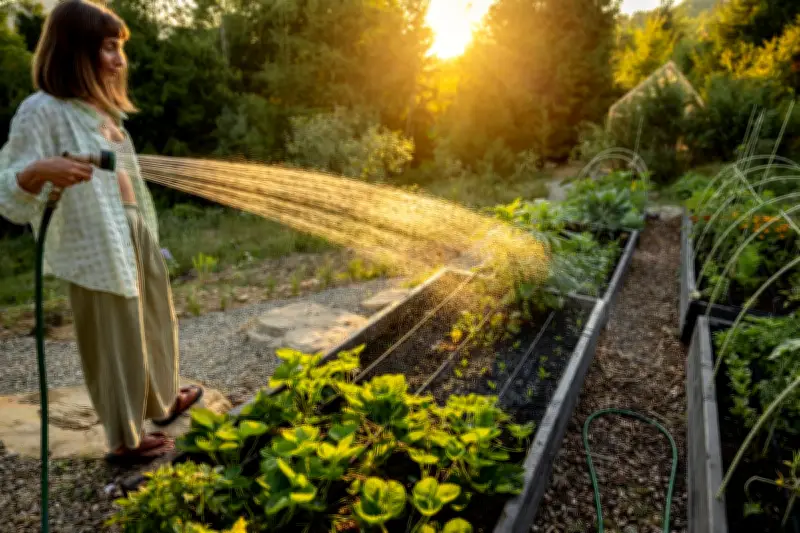
Water early morning or late evening to reduce evaporation. Focus on the root zone, not leaves. Use drip irrigation or soaker hoses rather than sprinklers. Group plants with similar water needs together.
Choosing drought-resistant plants
Opt for plants adapted to dry conditions, such as lavender, sedum, and ornamental grasses. Mediterranean herbs like rosemary and thyme thrive with minimal water. Native plants often require less irrigation.
Lawn care during heatwave
Let grass grow longer to shade its roots. Avoid fertilizing, which encourages growth and water demand. Raise mower blades to 5-7cm. If brown, do not panic—lawns go dormant and recover.
Gardening in a heatwave is about working with nature, not against it. By conserving water and using smart techniques, you can maintain a healthy garden even in extreme temperatures.