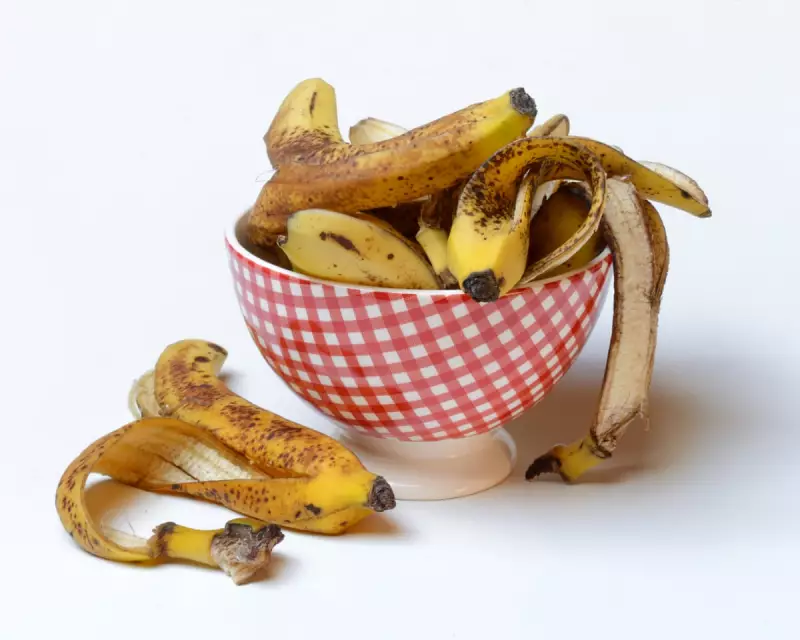
The latest viral trend sweeping through the UK's community of indoor gardeners involves a seemingly magical elixir: banana water. Social media feeds are awash with claims that soaking banana peels creates a potent, free fertiliser that will make your houseplants thrive. But does this popular hack hold any scientific weight, or is it simply leading well-meaning plant parents astray?
The Science Behind the Soak: What's Actually in Banana Water?
Proponents of the banana water method advise soaking peels in a jar of water for several days to create a nutrient-rich "tea." The theory is that potassium and other minerals leach from the peel into the water, providing a boost for flowering and fruiting plants. Dr. Heather H. from the Royal Horticultural Society (RHS) offers a measured perspective. She confirms that bananas do contain potassium, a vital nutrient for plants, but questions how much actually transfers into the water during a simple soak.
More critically, experts highlight a significant downside. The process of soaking organic matter in water at room temperature creates a perfect breeding ground for bacteria and fungi. You are essentially making a microbial soup, which, when applied to your plant's soil, can introduce harmful pathogens and lead to root rot. The sweet smell often mentioned by creators is a sign of fermentation, not a marker of nutritional quality.

Proven Alternatives for Healthier Houseplants
If you're keen to use kitchen scraps to benefit your plants, there are more reliable and scientifically sound methods. Composting banana peels is the gold-standard approach. Once fully broken down in a compost bin, the nutrients become readily available for plants without the associated risks of mould and bacteria. For those without compost, drying and finely grinding the peels to sprinkle on top of the soil is a far safer option than soaking.
For houseplant enthusiasts seeking a reliable fertiliser, the advice remains straightforward. A balanced, liquid houseplant feed, applied according to the instructions during the growing season (spring and summer), is the most effective way to support your plants. These products are formulated to provide the correct balance of nutrients, including nitrogen, phosphorus, and potassium, without the guesswork or potential hazards of DIY concoctions.
The Verdict on Viral Gardening Hacks
The banana water trend underscores a wider issue with plant care advice found on social media. While the desire for natural, low-cost solutions is understandable, not all hacks are created equal. Dr. Heather H. cautions that an incorrect fertiliser recipe can do more harm than good, potentially "burning" roots or altering soil chemistry negatively.
The key takeaway for UK plant lovers is to approach viral trends with a healthy dose of scepticism. When in doubt, consult trusted sources like the RHS or established horticultural experts. Sticking to proven care practices—appropriate watering, good light, and a reputable fertiliser—is ultimately more likely to yield a lush, healthy indoor jungle than experimenting with potentially problematic kitchen waste brews.