
California Avalanche Tragedy: Eight Skiers Found Dead, Search Continues
In a heartbreaking turn of events, rescue crews have recovered the bodies of eight backcountry skiers near California's Lake Tahoe, with efforts ongoing to locate one more missing individual. The avalanche, which struck on February 17, has emerged as one of the deadliest in United States history, devastating a tight-knit group of friends, many of whom were mothers and experienced outdoor enthusiasts.
Emergency Response in Treacherous Conditions
The Nevada County Sheriff's Office received a 911 call just before noon, reporting an avalanche on Castle Peak, a 9,110-foot mountain north of the Donner summit. A group of skiers, returning from a three-day expedition during a severe winter storm, was caught in the disaster. While six survivors were rescued, more than half of the group remained unaccounted for, prompting a massive response from 46 first responders.
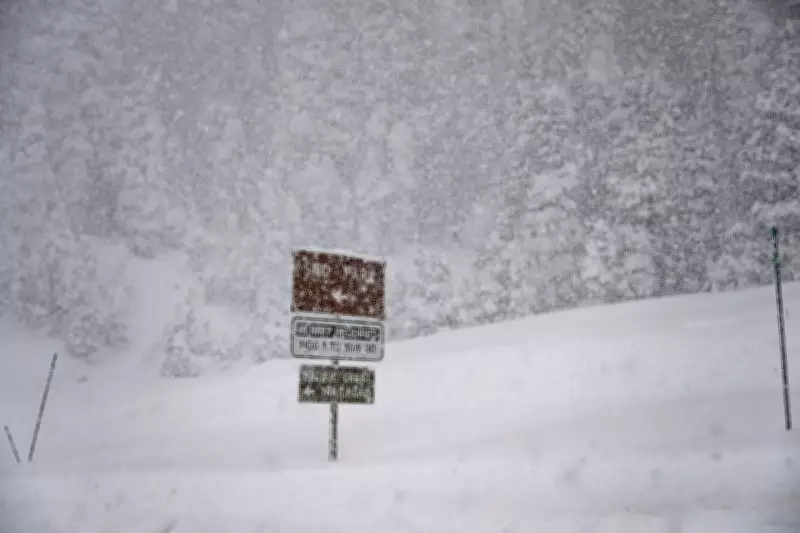
Conditions were perilous, with the University of California, Berkeley's Central Sierra Snow Lab recording 28 inches of snow that day and anticipating another 3 feet in the following days. The high risk of additional avalanches complicated rescue operations, as teams navigated the terrain using Sno-Cat vehicles and skis to reach the survivors, who had built a makeshift shelter and uncovered three bodies.
Victims Identified as Close-Knit Group
Families have identified six of the deceased as Carrie Atkin, Liz Clabaugh, Danielle Keatley, Kate Morse, Caroline Sekar, and Kate Vitt, hailing from the Bay Area, Idaho, and the Lake Tahoe region. Notably, Sekar and Clabaugh were sisters, and the group included mothers with children in local school districts. In a statement, the families described them as "passionate, skilled skiers who cherished time together in the mountains," equipped with avalanche safety gear.
Three of the victims were guides from Blackbird Mountain Guides, the expedition company involved. Founder Zeb Blais expressed profound sorrow, noting the guides were certified by the American Mountain Guides Association and trained in avalanche research. The company has deferred further inquiries to authorities as investigations into the incident proceed.
Historical Context and Climate Factors
Avalanches are not uncommon in the Sierra Nevada range, with the Sierra Avalanche Center reporting at least 50 incidents near Lake Tahoe since September 2025 and fatalities in six of the past ten years. This event, however, stands as the most devastating in modern California history, exacerbated by unique climate conditions.
Climate scientist Daniel Swain highlighted that a warm winter had left a thin icy layer on the mountains, creating a dangerous foundation for the heavy snowfall that followed. The storm dumped over 66 inches of snow in three days, with whiteout conditions and gale-force winds hindering rescue efforts. Forecasters had warned of perilously high avalanche risks, underscoring the tragic convergence of natural elements.
Ongoing Recovery and Community Impact
Placer County Sheriff Wayne Woo urged the public to avoid the Sierras to allow focused recovery operations, expected to extend into the weekend. The avalanche is now the fourth deadliest in US history, with communities mourning the loss of these vibrant women. Families emphasized their focus on supporting children and honoring the victims, who were mothers, wives, and friends connected by a love of the outdoors.
As investigations by the Nevada County Sheriff's Office and Cal/OSHA continue, questions remain about the group's decision to traverse higher-risk terrain. The disaster serves as a stark reminder of the unpredictable dangers in backcountry skiing and the broader impacts of climate extremes on natural disasters.



