
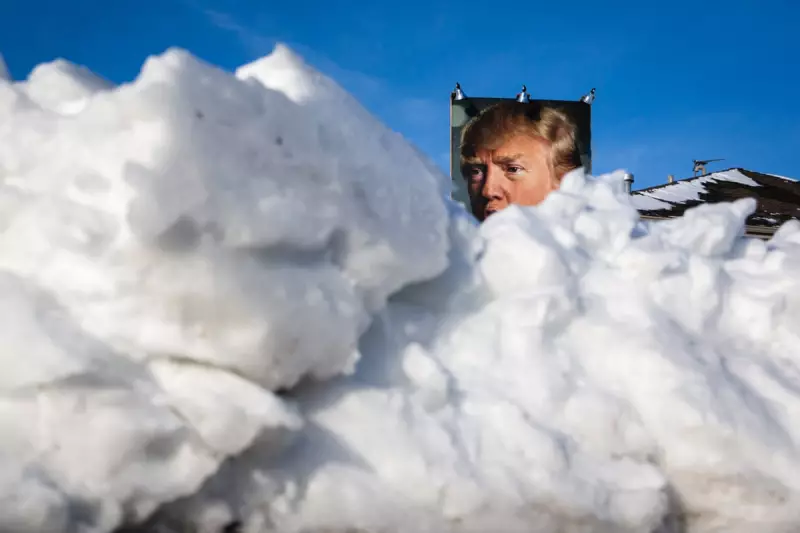
Trump Falsely Claims US Winter Storm Proves Climate Change a Hoax
Former US President Donald Trump has inaccurately pointed to a massive winter storm sweeping across the United States as supposed evidence that global warming is not occurring. In a post on Truth Social, Trump questioned the reality of climate change, despite scientific consensus that such extreme weather events may be exacerbated by human-induced heating of the planet.
Details of the Winter Storm and Trump's Statement
The winter storm, which began impacting the US on Friday, is expected to affect at least 230 million people from the Rockies to the east coast, bringing freezing temperatures, heavy snow, and hazardous conditions like icy roads and potential power outages. Trump responded to this by posting: "Rarely seen anything like it before. Could the Environmental Insurrectionists please explain – WHATEVER HAPPENED TO GLOBAL WARMING???" This statement reflects his history of dismissing established climate science.
Scientific Explanation of the Storm's Causes
This storm is driven by a collision of frigid Arctic air with warmer, moister air in the US. Typically, the polar vortex—a large circular wind pattern—confines cold air to northern latitudes. However, when it weakens or stretches, as is happening now, Arctic air can spill southward, similar to opening a door on a cold day. Research indicates that global heating might be accelerating this process by disrupting the polar vortex.
How Climate Change Influences Winter Weather
Contrary to Trump's claims, climate change could be making winter storms more severe in some regions. The Arctic is warming up to four times faster than the rest of the world, leading to effects like sea ice loss that can destabilise the polar vortex. Scientists emphasise that a single storm does not reflect long-term global trends; instead, winters in the US are warming faster than other seasons, reducing cold snaps and shifting seasonal norms.
Broader Climate Trends and Evidence
Even during this storm, parts of the western US face snow shortages, impacting ski resorts. Over the long term, data from Climate Central shows that winter cold spells have shortened by an average of six days across much of the US since 1970. While cold days still occur, they are far outnumbered by record hot days, with the coldest annual temperatures rising by at least 2.5°C (4.6°F) on average.
In summary, Trump's assertion that the winter storm disproves climate change is misguided, as scientific evidence links such extreme weather to broader warming patterns and environmental shifts.



