
Trump Administration Scraps Key Climate Regulation as China Expands Green Energy Leadership
The United States Environmental Protection Agency, under the leadership of Administrator Lee Zeldin and with presidential backing from Donald Trump, has formally eliminated the Obama-era endangerment finding that served as the foundational legal basis for federal climate regulations. This decisive action represents a significant reversal in American environmental policy and threatens to undermine decades of progress in addressing climate change through governmental oversight.
Consequences of Regulatory Rollback
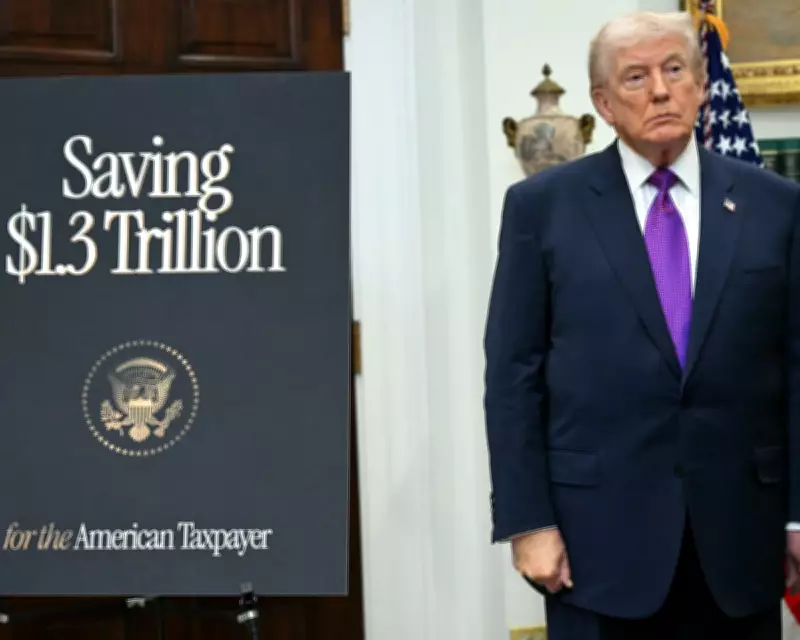
This regulatory elimination constitutes just one component of President Trump's comprehensive assault on environmental controls and his administration's active promotion of fossil fuel interests. However, environmental experts warn this particular action may prove to be his most consequential environmental policy decision, with potentially irreversible impacts on global climate efforts. The administration has claimed, without providing substantiating evidence, that American citizens and businesses will realize savings totaling $1.3 trillion through reduced regulatory compliance costs.
Democratic Senator Sheldon Whitehouse characterized the decision as "corruption, plain and simple," reflecting widespread concern among environmental advocates and political opponents. The timing of this announcement proved particularly striking, coming just one day after climate scientists warned that humanity is approaching closer than ever to irreversible global heating thresholds that could trigger catastrophic environmental consequences.
China's Contrasting Green Energy Trajectory
While the United States dismantles environmental protections, China has recorded its twenty-first consecutive month of either flat or slightly declining carbon emissions. Beijing continues to expand carbon reporting requirements and has made substantial investments in renewable energy infrastructure. According to recent analyses, clean energy initiatives drove more than ninety percent of China's investment growth throughout the previous year, demonstrating a clear commitment to green energy transition.
The Carbon Brief website, which published detailed emissions analysis, indicates that China's carbon intensity reduction—measured as emissions per unit of economic output—has fallen below targets established in the nation's most recent five-year plan. This development raises questions about China's ability to meet its commitments under the Paris climate agreement, despite substantial renewable energy investments.
Complex Realities of China's Energy Strategy
China's energy landscape presents complex contradictions that complicate straightforward environmental assessments. While the nation has installed massive quantities of renewable energy infrastructure, it has simultaneously authorized substantial construction of new coal-fired power plants. Energy analysts suggest these coal facilities may serve primarily as backup systems rather than primary energy sources, though their environmental impact remains significant.
Additional concerns have emerged regarding China's renewable energy sector, including evidence of forced labor involving Uyghur Muslims in solar panel production facilities within Xinjiang province. Furthermore, China's dominant position in critical mineral markets hampers other nations' ability to develop independent renewable energy technologies, creating geopolitical tensions around "green mercantilism" practices.
Economic and Environmental Impacts
The economic consequences of climate inaction are becoming increasingly apparent through measurable data. Twenty-three separate extreme weather and climate-related disasters struck the United States during the previous year, each causing more than one billion dollars in damages and totaling approximately $115 billion in economic losses. A comprehensive recent report determined that American earnings would be twelve percent higher without the ongoing impacts of the climate crisis, contradicting administration claims about regulatory savings.
President Trump has reportedly solicited one billion dollars in campaign contributions from approximately twenty fossil fuel industry executives while promising to eliminate environmental controls on their operations. This relationship between political fundraising and policy decisions has raised ethical questions about regulatory capture and industry influence over environmental governance.
Global Climate Leadership Vacuum
The United States' retreat from climate leadership creates a significant diplomatic vacuum that China shows little interest in filling comprehensively. While Beijing maintains vested interests in encouraging global emissions reductions to support its renewable energy exports, it has not assumed the mantle of international climate diplomacy previously held by American administrations. This leadership gap occurs as devastating wildfires, catastrophic flooding, and unprecedented winter storms increasingly threaten communities worldwide.
The contrast between national approaches has never been more stark: American billionaires anticipate prospering through deregulation at potential cost to public health and environmental stability, while Chinese authorities pursue aggressive renewable energy expansion despite accompanying challenges and contradictions. This divergence in climate policy represents one of the most significant environmental developments of our era, with implications that will extend far beyond national borders and affect generations to come.



