
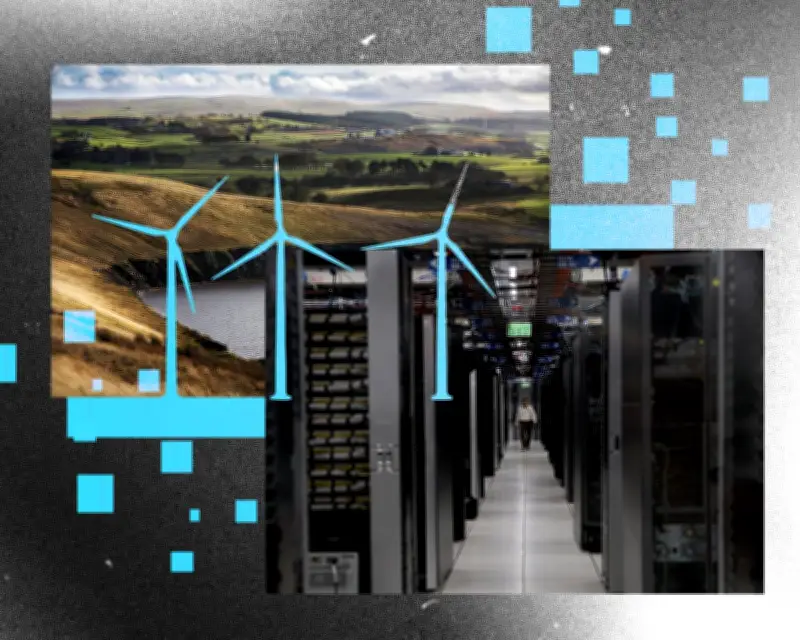
The Guardian's latest tech reporting delves into the physical world implications of the AI revolution, with a spotlight on datacentres, their energy consumption, and environmental footprint. According to the report, datacentres powering AI systems are projected to increase global energy use by 30% by 2030, raising urgent concerns about sustainability.
Datacentre Expansion and Energy Demands
The article highlights that the rapid expansion of AI technologies requires massive computational power, leading to a surge in datacentre construction. These facilities consume vast amounts of electricity for servers and cooling systems, contributing significantly to carbon emissions. The International Energy Agency (IEA) estimates that datacentres currently account for 1% of global electricity demand, a figure expected to rise sharply.
Environmental and Regulatory Challenges
Environmental groups have raised alarms about the ecological impact, including water usage for cooling and electronic waste. The report notes that some tech giants are investing in renewable energy to offset their footprints, but critics argue that more stringent regulations are needed. "The AI boom cannot come at the expense of our planet," said a spokesperson for Greenpeace, as quoted in the article.
Industry Responses and Innovations
In response, companies like Google and Microsoft have pledged to operate on 24/7 carbon-free energy by 2030. Innovations such as liquid cooling and energy-efficient chips are being developed to reduce consumption. However, the report warns that without comprehensive policy frameworks, the environmental cost of AI could outweigh its benefits.
Broader Implications for Tech Reporting
The Guardian's investigation underscores the need for journalists to cover the physical infrastructure behind digital technologies. As AI becomes more pervasive, understanding its real-world consequences is critical for informed public debate. The article concludes with a call for greater transparency from tech firms regarding their energy use and environmental strategies.



