
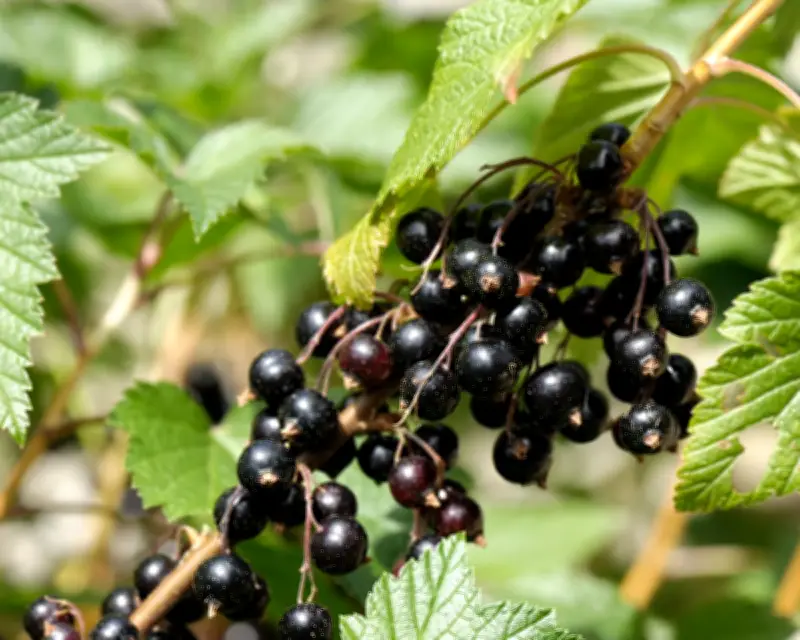
The owner of Ribena, Suntory Beverage & Food, is investing £200,000 to help blackcurrant bushes withstand environmental stress after extreme weather reduced this year's UK harvest. The harvest, now under way in key regions including East Anglia, Gloucestershire, Herefordshire, Kent, and Scotland, is expected to be about 10% below the average of 10,000 tonnes, as the climate crisis drives extreme weather across Britain.
Weather challenges hit blackcurrant crops
Growers reported that crops suffered from one of the wettest winters on record, which delayed pruning and weeding, followed by localised frosts and hail during spring. Heatwaves in June and July caused scorching and premature berry drop. The lack of rain in many areas, with little more expected before the harvest ends in early August, is also producing smaller fruits.
Harriet Prosser, an agronomist at Suntory Beverage & Food, said: “Every year, there seems to be another weather record. Following last year’s drought, growers have experienced one of the wettest winters on record, localised frosts and hail during spring, and now intense summer heat. It has been an exceptionally challenging season for blackcurrant bushes.”
Investment in research for resilient crops
The investment will support a collaborative research programme with the National Institute of Agricultural Botany (Niab) at East Malling in Kent. The project will investigate how improving soil health can help blackcurrant bushes better withstand periods of environmental stress. It will evaluate organic soil additions such as wool, pasteurised manures, and green waste products to improve soil organic matter, moisture retention, and nutrient cycling.
Jo Hilditch, chair of the Blackcurrant Foundation trade association and a grower from Herefordshire, said: “It’s about ensuring British blackcurrant production continues to thrive for generations to come. As growers, we’re incredibly resilient, but there’s no doubt we’re farming in a very different climate from even a decade ago. Every season now seems to bring a new challenge, whether it’s prolonged wet weather, late frosts or intense summer heat.”
Broader impact on soft fruit and other crops
Soft fruit growers noted that some fruits, such as blueberries and grapes, benefit from extra heat, but others like strawberries may struggle to last into autumn as overheated plants come under stress. Crops such as leafy vegetables, potatoes, wheat, and barley are also likely to be affected by the hot dry spell. Last year, a long period of hot weather and drought caused berry crops to ripen two weeks earlier than usual.
Hilditch added that even in her relatively rainy part of Britain, she might need to install reservoirs and irrigation to cope with long dry spells. Farmers have already been working with Suntory on developing new blackcurrant varieties that can produce more fruit without requiring long cold spells in winter, due to global heating.



