
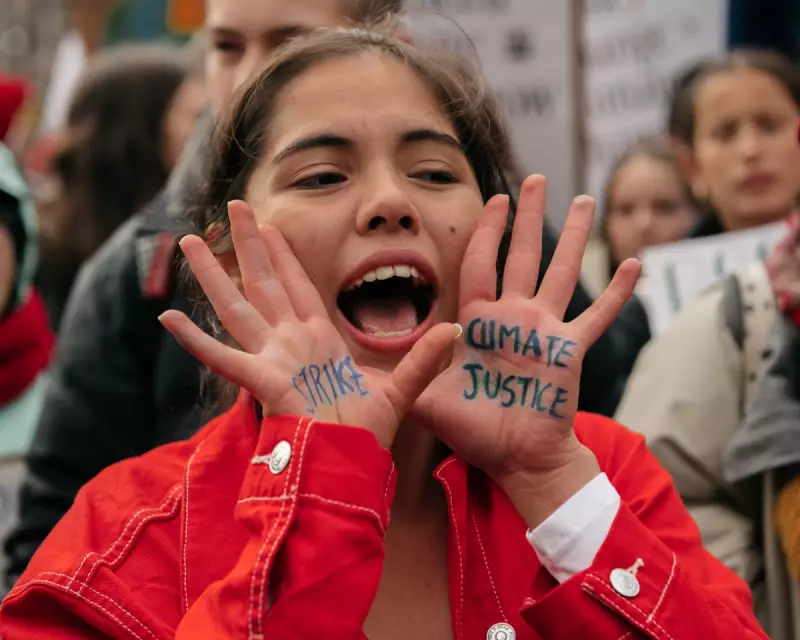
In the face of escalating climate chaos and persistent political inaction, a sense of powerlessness can be overwhelming. Yet, after six years reporting on environmental and climate justice, a clear source of hope has emerged: the relentless power of ordinary people.
Grassroots Movements Forge New Pathways Beyond COP
While the UN climate negotiations (COP30) in Belém, Brazil, in November 2025 once again failed to secure a global fossil fuel phaseout agreement, the conference did yield a significant breakthrough. For the first time, a Just Transition Mechanism (JTM) was established. This plan aims to ensure the shift to a green economy is fair, inclusive, and protects the rights of workers, frontline communities, women, and Indigenous peoples.
According to Astrid Puentes Riaño, the UN special rapporteur on human rights and the environment, this mechanism, though imperfect, represents a vital step towards centring people in climate policy. Its adoption came only after years of civil society pressure and impossible-to-ignore protests during COP30.
Frustrated by the slow pace of consensus-based UN talks, a coalition of nations is now taking independent action. Colombia and the Netherlands, backed by 22 other countries, will develop a parallel roadmap to phase out fossil fuels. They plan to begin with a conference in April 2026 in Santa Marta, Colombia. This initiative could create regional solutions and a trading bloc with power to sanction nations and financial institutions that continue supporting fossil fuels.
Elisa Morgera, UN special rapporteur on climate change and human rights, called the alliance a potential gamechanger. "We now have a sizeable group of states from all regions who want to engage in good faith and make progress... and cannot wait any longer for the Cop process," she stated.
Courts Become a Critical Frontline for Accountability
The legal landscape for climate accountability has been transformed. In a landmark July 2025 advisory opinion, the International Court of Justice (ICJ) ruled that a failure to transition away from fossil fuels violates international law. This opinion, initiated by Pacific Island law students, confirms legal duties governments have to phase out fossil fuels and regulate polluting corporations.
This global shift was built case by case. It traces back to a 2015 lawsuit in the Netherlands, where the state was first ordered to take stronger climate action following a case brought by 900 Dutch citizens and the Urgenda Foundation. Dennis Van Berkel, legal counsel at Urgenda, noted that climate litigation has evolved into a "global accountability system recognised by the highest international courts."
This trend continues worldwide. A recent judgment in South Africa halted a major offshore gas and oil project opposed by coastal communities, leading the government to pause all other new proposals.
Indigenous Leadership and Contagious Change
The leadership of Indigenous communities, with millennia of knowledge about living in harmony with the planet, is increasingly pointing the way forward. Their advocacy, combined with protests and litigation, is forcing change even in complex political environments.
In 2023, Colombia—a major fossil fuel producer—signed the Fossil Fuel Non-Proliferation Treaty, an initiative now supported by 18 countries, 140 cities, and thousands of scientists and civil society groups. This civil society blueprint aims to halt new projects and manage an equitable phaseout.
Harjeet Singh, a veteran climate activist, emphasised the role of movements: "Many political leaders are captured by fossil fuel interests... That’s why movements are indispensable watchdogs."
This pressure can be contagious. Following protests and lawsuits against Amazon oil and gas expansion, Cop30 president and Brazilian leader Luiz Inácio Lula da Silva announced the first step toward a national fossil fuel phaseout roadmap. However, contradictory policies persist, such as Brazil's recent "devastation bill," which critics warn will accelerate deforestation.
The fundamental truth, as underscored by six years of reporting, is that we are not all in the climate crisis together. Contributions, impacts, and access to resources are profoundly unequal. Yet, the growing power of people—in courtrooms, on streets, and in multilateral spaces—is actively dismantling the status quo. As Raj Patel, research professor at the University of Texas, argues, the test is whether grassroots movements can "generate enough political pressure to make governments fear inaction more than they fear confronting corporate power." The evidence from 2025 suggests that test is being met.



