
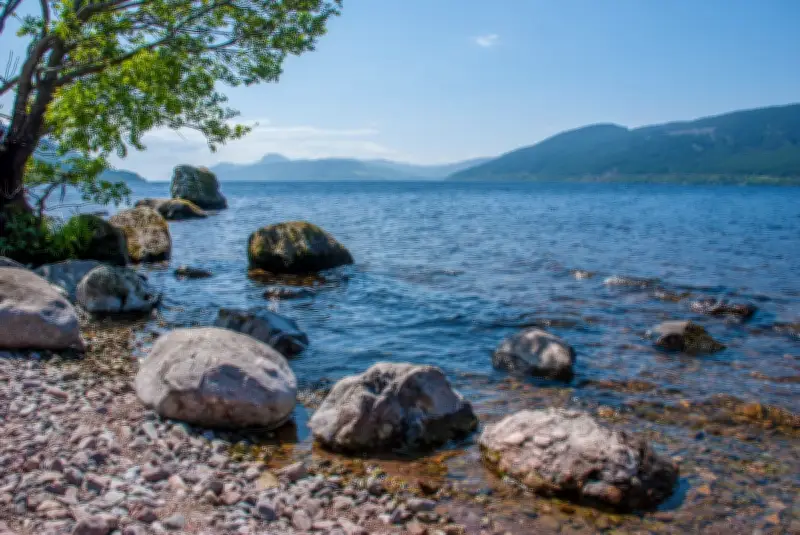
The Loch Kemp hydropower project, one of the first major pumped storage schemes in Great Britain in 40 years, has been given the go-ahead, but environmental concerns have been raised about its impact on Loch Ness and surrounding habitats.
Environmental cost of the Loch Kemp scheme
Neil Mackenzie, a resident of Gorthleck, Inverness-shire, has highlighted the severe environmental consequences of the project. The scheme will draw water from Loch Ness and pump it into an upper reservoir created by enlarging Loch Kemp. A giant power station is to be built in protected ancient woodland on the shores of Loch Ness, which is a special area of conservation and an internationally recognised site.
According to Mackenzie, this will cause the loss of ancient hazel trees and destroy one of the best sites for lichens in Britain. The shoreline around Loch Ness will be severely impacted by the drawdown from hydro activities. Furthermore, the Ness District Salmon Fisheries Board has warned that the salmon population in the loch could become extinct.
Renewable energy vs. protected sites
While acknowledging the need for renewables, Mackenzie questions whether it is necessary to destroy protected sites and Britain’s most iconic loch to achieve this. The project has sparked debate about balancing energy needs with environmental preservation.



