
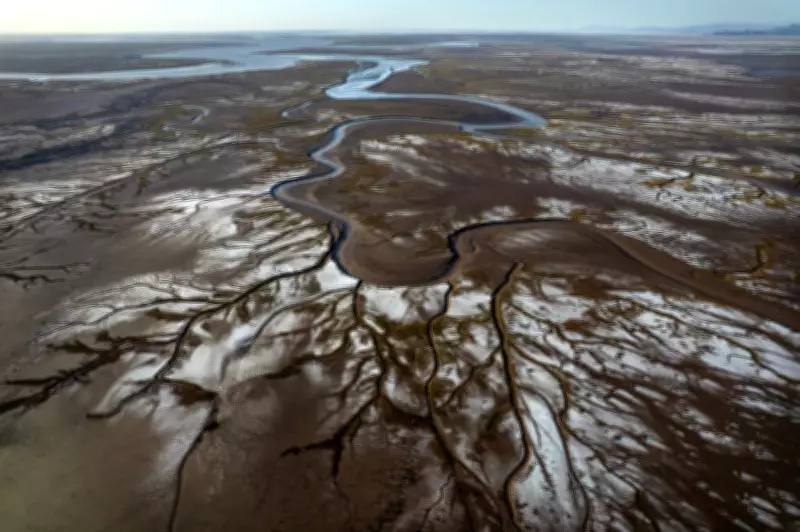
California, Arizona, and Nevada have reached a historic agreement to significantly reduce water consumption from the Colorado River, a vital water source for millions of people and vast agricultural lands. The plan, announced on May 3, 2026, aims to prevent the river's reservoirs from falling to critically low levels that would threaten water supplies and hydropower generation.
Key Provisions of the Agreement
The three states have committed to reducing their water withdrawals by an additional 3 million acre-feet per year, representing a substantial cut beyond existing conservation measures. This reduction is equivalent to roughly 20% of the total water typically used by these states from the Colorado River. The plan includes both voluntary and mandatory cuts, with California bearing the largest share due to its senior water rights.
Under the agreement, California will reduce its usage by 1.6 million acre-feet annually, Arizona by 1.2 million acre-feet, and Nevada by 200,000 acre-feet. These cuts will be phased in over the next two years, with full implementation expected by 2028. The plan also includes provisions for compensating farmers and other water users who voluntarily reduce their consumption.
Federal Role and Funding
The federal government has pledged $1.2 billion in funding to support water conservation projects, including infrastructure improvements and efficiency upgrades. The Bureau of Reclamation will oversee the implementation and ensure compliance with the agreement. This federal support is crucial for helping states meet their reduction targets without causing economic hardship.
Environmental and Economic Impacts
The Colorado River provides water to over 40 million people and irrigates 5.5 million acres of farmland. The prolonged drought, exacerbated by climate change, has reduced the river's flow by nearly 20% over the past two decades. The new plan aims to stabilize water levels in Lake Mead and Lake Powell, the two largest reservoirs in the United States, which have dropped to record lows.
Environmental groups have praised the agreement as a necessary step but caution that more long-term solutions are needed. The plan includes measures to protect endangered species and restore river ecosystems, such as releasing water to mimic natural flow patterns.
- Water conservation programs for urban areas
- Incentives for agricultural water efficiency
- Investment in water recycling and desalination technologies
Reactions and Future Outlook
Governors of the three states hailed the agreement as a model of cooperation. California Governor Gavin Newsom stated, 'This plan demonstrates that we can work together to address the most pressing water challenges of our time.' Arizona Governor Katie Hobbs emphasized the need for continued innovation, while Nevada Governor Joe Lombardo called it a 'historic commitment to sustainability.'
However, some critics argue that the cuts do not go far enough to address the long-term deficit. The agreement is temporary, lasting until 2030, and further negotiations will be required to develop a permanent framework. The federal government has indicated that if states fail to meet their targets, mandatory cuts may be imposed.
This plan marks a significant step in managing the Colorado River's dwindling resources, but experts warn that without broader action on climate change and population growth, the region will continue to face water scarcity.



