Bird Flu Detected in Australian Poultry
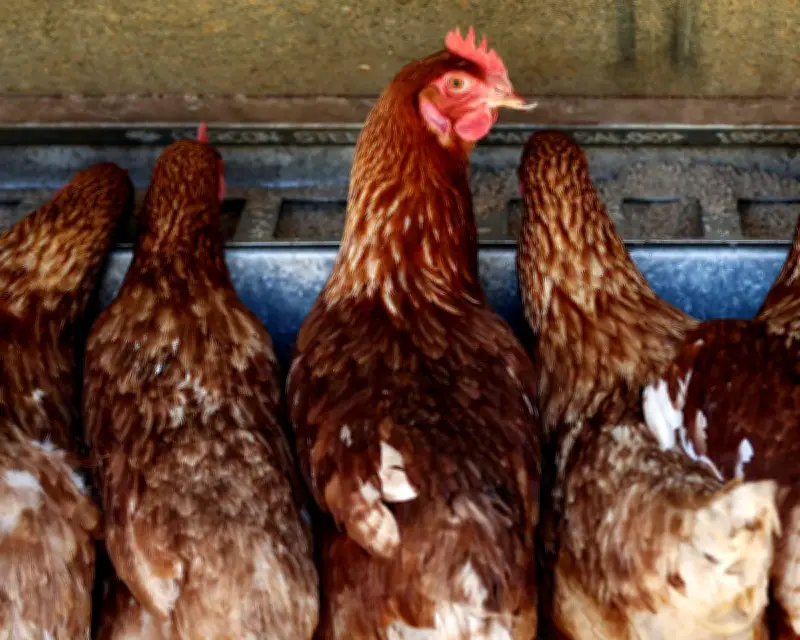
Australia has confirmed its first cases of highly pathogenic avian influenza (H5N1) in poultry, marking a significant escalation of the global bird flu outbreak. The virus was detected on a farm in Victoria, prompting immediate quarantine measures and culling of infected birds. According to Agriculture Minister Murray Watt, the government is working to contain the outbreak and protect the nation's poultry industry.
Potential Egg Shortages and Price Hikes
The outbreak raises concerns about egg supply and prices. Australia produces approximately 6.5 billion eggs annually, but the culling of flocks could reduce production. Industry body Australian Eggs warned that consumers might face higher prices if the virus spreads further. A spokesperson said, "We are monitoring the situation closely and advise consumers that there may be temporary shortages." However, they emphasized that eggs remain safe to eat if properly cooked.
Impact on Poultry Industry
The poultry industry is on high alert. The infected farm has been quarantined, and all birds within a 1.5km radius are being culled to prevent spread. The Australian Chicken Meat Federation stated that strict biosecurity measures are in place to protect other farms. The outbreak could disrupt supply chains, affecting both egg and chicken meat production.
Government Response and Biosecurity Measures
The federal government has activated emergency response plans, including surveillance and movement controls. Minister Watt said, "We are taking this very seriously and have implemented strict biosecurity protocols to contain the virus." The government is also working with states to ensure a coordinated response. Travel restrictions and disinfection stations have been set up in affected areas.
Risk to Humans and Wildlife
While the H5N1 strain can infect humans, the risk to the general public remains low. Health authorities advise avoiding contact with sick birds and practicing good hygiene. The virus has also been detected in wild birds, raising concerns for native species. Environmental groups are monitoring the situation to assess the impact on biodiversity.
Global Context and Future Outlook
Australia was one of the last continents to be affected by the global bird flu outbreak, which has devastated poultry populations in Europe, Asia, and the Americas. Experts warn that the virus may become endemic in Australia, requiring ongoing management. The poultry industry may need to adapt with enhanced biosecurity and vaccination strategies to mitigate future outbreaks.