Naseby, a tiny town in New Zealand's Otago region, has earned the distinction of being the country's first certified dark sky community, awarded by DarkSky International for its exceptional dedication to preserving the night sky. This achievement marks the 10th dark sky place in New Zealand and a milestone for the small settlement of just 140 people.
A Decade of Dedication
The journey to certification took 10 years, driven by the community group Naseby Vision. The effort began after a visit from US astronomer John Barentine, who praised the area's pristine skies and encouraged accreditation. The timing aligned with the Central Otago district council's update of its lighting plan, allowing for the installation of lower-brightness streetlights. A survey of residential lighting revealed that most homes were already compliant, requiring only minor adjustments for a few properties.
Community Engagement and Education
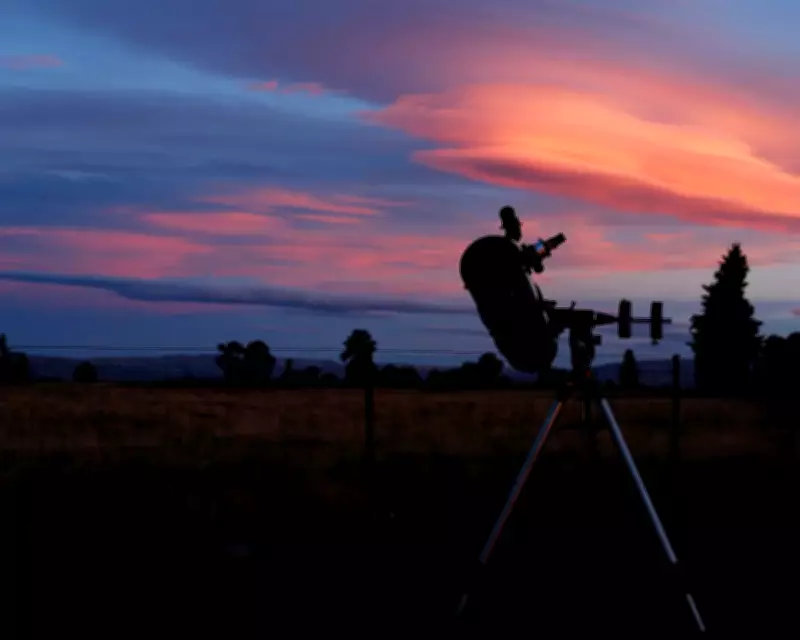
Naseby Vision purchased telescopes and night binoculars, hosting educational sessions at local tennis courts to build support. The initiative also involved raising awareness about light pollution and its impact on wildlife, such as birds and animals that rely on stars for navigation.

Stargazing Tours
Paul Bishop, an astrophysics graduate from Queen Mary University of London, founded Naseby Night Sky Tours in 2018. Inspired by the stargazing scene in Tekapo, Bishop offers rustic yet immersive experiences. On a typical tour, visitors view the Milky Way, the Jewel Box cluster, the Orion Nebula, 47 Tucanae, and Saturn with its moon Titan. Bishop describes it as a journey through the history of the universe.
Unique Appeal
Unlike commercialised stargazing destinations, Naseby provides an authentic, low-light environment. The town's remote location on the Maniototo Plain, 600 meters above sea level, offers exceptionally dark skies. Winter temperatures can drop to -15°C, but the cold is worth the celestial spectacle.
Why Dark Skies Matter
Gareth Davies, a DarkSky International committee member, emphasises the cultural and ecological importance of dark skies. He notes that looking up at the stars connects us to our ancestors and highlights the need to protect this natural heritage for future generations. Light pollution disrupts navigation for many species, making dark sky preservation a critical environmental issue.
Naseby's certification positions it as a model for other communities seeking to balance development with night sky conservation. As Davies says, "Only when you look up at night do you see your true place in the universe."