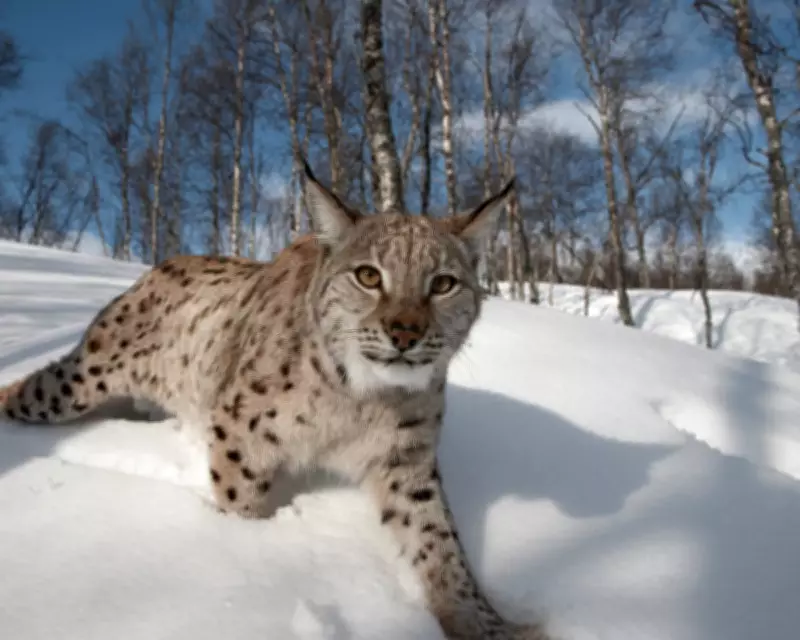
Lynx Reintroduction in Scotland: A Delicate Balance Between Conservation and Community Concerns
The elusive lynx, absent from British forests for over a millennium, could soon prowl the Scottish Highlands once more. However, the path to reintroduction is fraught with challenges, as rewilding charities navigate a complex landscape of public opinion and economic interests. With 61% of Scots supporting the return of this apex predator, according to a 2025 poll, the focus has shifted from merely building a majority to fostering acceptance among those most likely to oppose it.
Building Bridges in the Highlands
The Lynx to Scotland coalition, comprising Trees for Life, Scotland: The Big Picture, and The Lifescape Project, has embarked on a painstaking six-year consultation process. This effort includes 42 information sessions across village halls, followed by one-to-one conversations with farmers, gamekeepers, and deer stalkers this spring. The goal is to develop a robust application for a reintroduction licence, addressing concerns head-on rather than glossing over them.
At a recent event in Fochabers, attended by 70 residents on a frigid day, the charities were strikingly candid. Steve Micklewright, chief executive of Trees for Life, acknowledged that lynx will "absolutely" prey on sheep, though roe deer are their preferred prey. "My question is: can we get an animal like this back into the Scottish landscape and coexist with it, which we’ve forgotten how to do?" he asked, highlighting the core dilemma of rewilding.

Addressing Livelihood Fears and Opposition
Farmers and other stakeholders have expressed deep-seated worries about predation and compensation. A 50-hour consultation last year identified sheep and game losses as primary challenges. The charities are now working to establish fair compensation mechanisms, ensuring that any reintroduction is self-funding for at least five years to avoid burdening the government.
Despite these efforts, opposition remains fierce. Rob Green, a consultation attendee, questioned the logic behind reintroduction, asking if polar bears should be next. "It’s people trying to make names for themselves," he argued, reflecting a sentiment that rewilding is mere meddling. In contrast, others like Jenny from Garmouth countered that Scotland’s current landscape is unnatural, shaped by centuries of sheep farming.
Political and Legal Hurdles
The reintroduction faces political headwinds. After four lynx were illegally released in the Cairngorms last year, First Minister John Swinney ruled out legal reintroduction. However, Micklewright remains optimistic, noting support from MSPs across parties and some Reform UK candidates ahead of Holyrood elections. Conservationists believe a thorough application could withstand legal challenges, even if initially rejected on political grounds.
Lisa Chilton, chief executive of Scotland: The Big Picture, warned against endless consultation without action. "We could use that uncertainty as an excuse never to do anything, but that’s not what we want," she said, emphasizing the urgency of biodiversity loss while stressing the need for societal buy-in.
Practical Concerns and Future Prospects
Deer stalkers and forest managers have raised practical issues. One stalker noted that even 250 lynx—the estimated carrying capacity—would barely impact Scotland’s million-plus deer population. A forest manager expressed concern about potential exclusion zones hindering timber production in a country that imports 85% of its wood.
Donald MacLellan, a former farmer, highlighted the emotional and economic stakes of compensation, urging swift action. He suggested that, like 20mph speed limits or smoking bans, reintroduction might gain acceptance through implementation. "Just do it, and people will accept it," he said, though uncertainty lingers among the farming community.
As the consultation continues, the question remains: can this grassroots effort soften lynx-skepticism and pave the way for a historic rewilding achievement? The answer may determine whether Scotland’s forests once again echo with the footsteps of this majestic predator.