
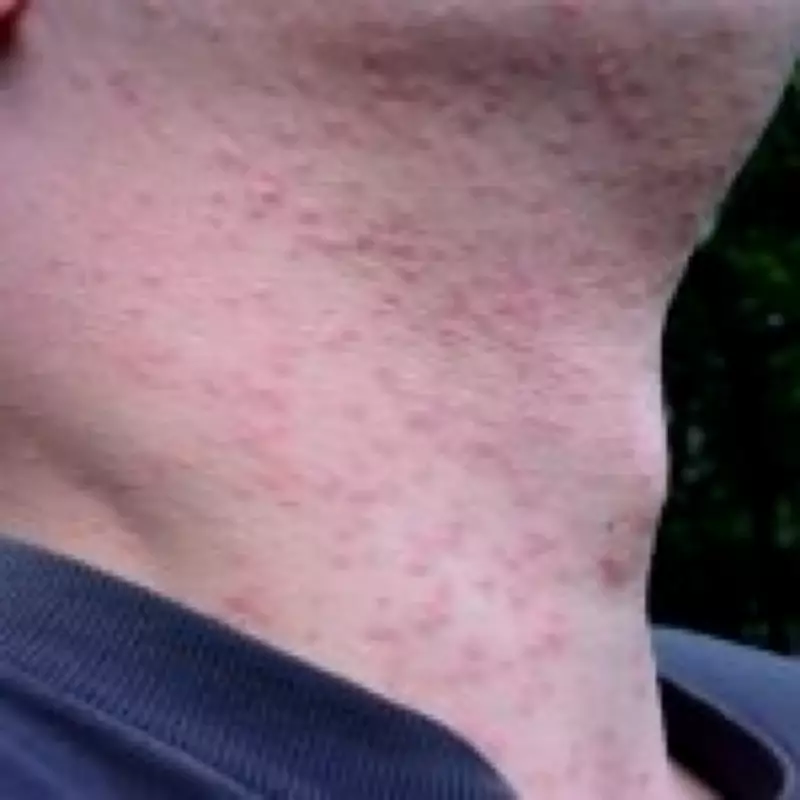
Residents in Surrey have been issued an urgent warning over dangerous caterpillars that can cause irritation and difficulty breathing. Woking Council has warned locals to avoid contact with oak processionary moth (OPM) caterpillars and their nests, which pose risks to both people and pets.
Health Risks from OPM Caterpillars
Although small, these caterpillars can cause significant irritation. Their tiny hairs contain toxins that are dangerous if touched or inhaled. Symptoms include itchy skin rashes, sore throats, breathing difficulties, and eye irritation. The caterpillars are active between late spring and early summer and are most commonly found on oak trees, according to the authority.
How to Identify Them
The caterpillars are identifiable by their distinctive nose-to-tail 'procession' movement and the silky white nests found on trunks and branches. They have a dark stripe down their back and can grow up to 2cm in length. Their nests are typically dome or teardrop-shaped, averaging the size of a tennis ball.
Advice for Residents
Residents are advised to avoid touching or approaching the bugs or their nests, keep children and pets away from affected trees, and make no attempt to remove nests themselves. Cllr Ellen Nicholson, Woking Borough Council’s Portfolio Holder for Green Spaces, said: 'We understand that sightings of the oak processionary moth can be concerning for residents. Whilst the risks are generally low if you keep your distance, it’s important that people know how to recognise the caterpillars and what to do if they see them. If you do spot them, please avoid contact and report the sighting so their nests can be removed safely. By reporting sightings and keeping a safe distance, residents can play an important part in helping the relevant authority manage the issue.'
Reporting Sightings
Residents who come across an OPM nest are urged to report it to the appropriate authority with the precise location and a photo, if possible. The caterpillars were first spotted in the UK in 2006, but according to The Forestry Commission, they have spread in numbers across parts of south-east England and are becoming a 'serious problem'. Surrey is among the worst hit due to its many wooded areas.



