Monster Winter Storm Threatens Half of US with 12 States Already Declaring Emergencies
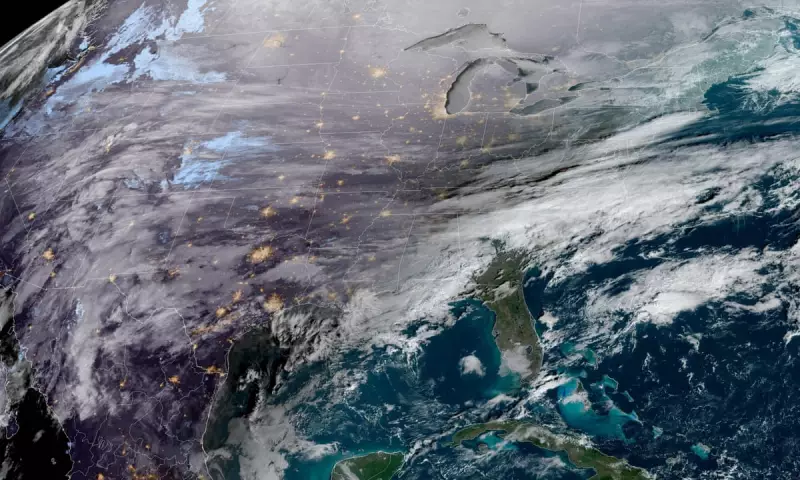
A dangerous monster storm is threatening half of the United States, bearing down on Friday with 12 states already declaring emergencies. Areas typically unused to prolonged Arctic temperatures are bracing for potential power failures and shortages as snow, sleet, and freezing temperatures are forecast for the south, midwest, and east coast over the weekend.
Widespread Impact and Emergency Declarations
At least 230 million people are likely to be affected by this massive winter weather system. It is forming in parts of the Rocky Mountains and Great Plains and surging across southern and midwestern areas from Friday, blowing up the east coast on Saturday and reaching as far north as Maine by Sunday. State governors have declared emergencies ahead of time, which not only warn of mortal danger but also free up financial reserves to deal with the severe conditions.
By Friday, states of emergency had been announced in Texas, Louisiana, Mississippi, Alabama, Georgia, South Carolina, and North Carolina in the southern US. Emergency declarations were also made in Missouri, Tennessee, Virginia, Maryland, and Pennsylvania. This proactive approach aims to mitigate the storm's impact on communities and infrastructure.

Climate Crisis and Weather Instability
Meanwhile, Donald Trump posted on his social media platform on Friday morning, questioning the role of global warming in the face of the cold wave. However, the climate crisis is actually causing more instability in weather systems and patterns. It disrupts the polar vortex and brings more extremes, including Arctic temperatures that sweep across parts of the US not accustomed to prolonged deep chills.
Even the American Red Cross noted on its website that winters are getting warmer and shorter due to the climate crisis. But because a warmer atmosphere holds more moisture, heavier snowfalls are more likely to occur, contributing to events like this monster storm.
Public Preparation and Meteorological Forecasts
Lines have been forming at stores in several states, with residents hurriedly stocking up on supplies ranging from bottled water and electricity generators to food, toilet paper, and blankets. The American Red Cross warned the public to prepare, while many local media outlets posted images on social media of empty retail shelves, highlighting the urgency of the situation.
Meteorologists forecast snow, sleet, and, treacherously, much freezing rain that is expected to leave thick layers of ice in many areas. This could turn roads deadly and bring down power lines while making clearance efforts more difficult. Authorities in southern areas are warning residents to brace for prolonged electricity outages, as temperatures plummet well below freezing in states where such cold conditions are not typical.
National Weather Service and Federal Response
The National Weather Service indicated that snowfall totals exceeding 12 inches are likely across the Ohio valley, mid-Atlantic, and north-east. More than 100 million people across the US can expect to endure temperatures below freezing until at least next Wednesday, underscoring the storm's prolonged impact.
In response, the Federal Emergency Management Agency (FEMA) has reportedly stopped firing people, with staff being told the agency would cease off-boarding workers who assist in times of disaster. This move comes as FEMA has drafted plans to eliminate thousands of staff this year, facing repeated attacks from the White House in the second Trump administration. FEMA issued a statement clarifying that its CORE program consists of term-limited positions designed to fluctuate based on disaster activity, operational need, and available funding, and urged the media to focus on safety rather than creating drama.
Transportation Disruptions and Broader Implications
Airlines are already cancelling hundreds of flights, and transportation in all modes is expected to be severely affected by the storm. This disruption highlights the broader implications of such extreme weather events on daily life and the economy. As the storm looms, communities across the US are urged to stay safe and prepared for the challenging conditions ahead.