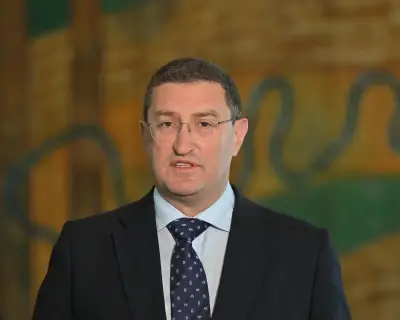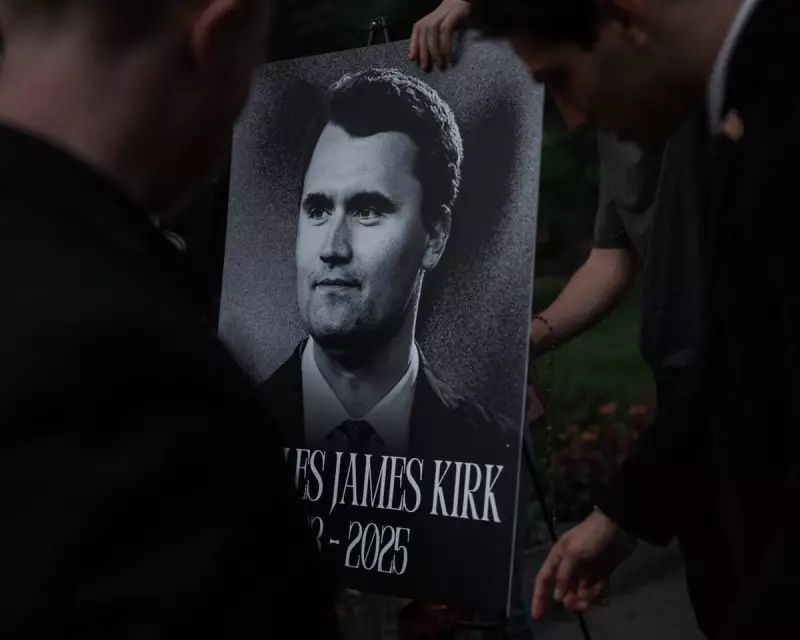
A professor at the University of Tennessee, Knoxville, who was suspended after publicly criticising the conservative activist Charlie Kirk, has been reinstated following an internal investigation. The incident, which sparked a fierce national debate about academic freedom and political bias on campus, concluded with the university finding the educator's social media posts were protected speech.
The Controversial Social Media Posts
The controversy began when the professor, whose identity has been widely reported, posted critical comments about Charlie Kirk on a personal social media account. Kirk, the founder of the right-wing student group Turning Point USA, had been invited to speak at the university in January 2026. The professor's posts questioned Kirk's credentials and the substance of his arguments, language the university initially suggested might violate its conduct policies.
This led to the professor being placed on administrative leave pending a full review. The move was immediately condemned by free speech advocates and faculty organisations, who argued it constituted a dangerous overreach and a chilling effect on academic expression. The Foundation for Individual Rights and Expression (FIRE) was among the groups that publicly criticised the suspension.

University Investigation and Reversal
Following a thorough investigation, the University of Tennessee administration reversed its decision. In a statement, university officials acknowledged that while the professor's comments were "sharp and dismissive," they ultimately fell within the realm of protected expression under the First Amendment and the university's own commitment to free inquiry.
The reinstatement was confirmed on 8 January 2026, marking a significant climbdown by the institution. The university stated that its policies must safeguard the robust exchange of ideas, even when those ideas are critical or unpopular. This outcome was seen as a victory for proponents of academic freedom, though it also highlighted the intense pressures universities face from external political groups.
Broader Implications for Campus Discourse
The case has reignited ongoing debates about the limits of free speech, political activism on campus, and the influence of external organisations like Turning Point USA. Critics of the initial suspension argue it demonstrated a worrying sensitivity to pressure from conservative commentators, potentially undermining the university's intellectual independence.
Key facts from the episode include:
- The professor was suspended for criticism directed at Charlie Kirk.
- The speaking event featuring Kirk proceeded as scheduled in early January 2026.
- The investigation concluded the professor's speech was protected.
- Reinstatement occurred swiftly after the investigation's findings.
This incident serves as a potent reminder of the fragile balance universities must strike. They must maintain a respectful environment while fiercely protecting the right of faculty and students to engage in contentious debate. The professor's return to duties closes a specific case, but the broader conversation about politics, speech, and higher education in America is certain to continue.