Tories Unveil Plan to Reduce 'Crippling' Student Loan Interest
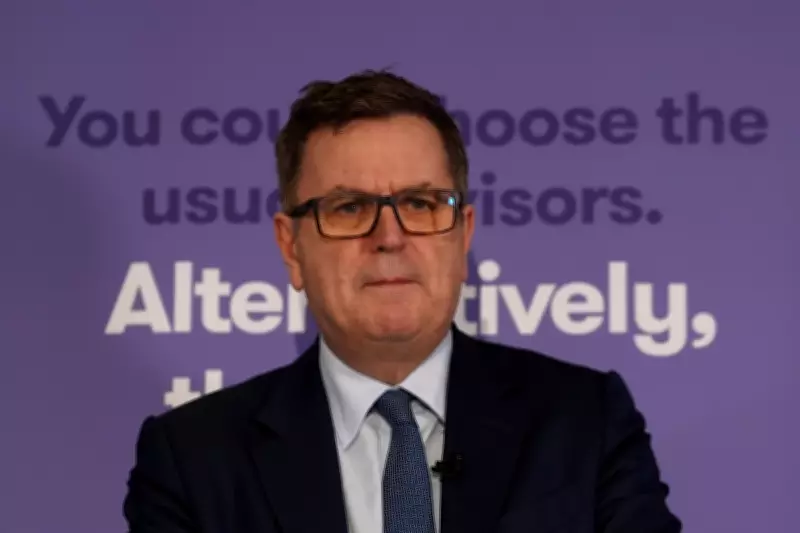
The Conservative party has announced a significant policy pledge to slash interest rates on student loans issued between 2012 and 2023, targeting what they describe as an "eyewatering" financial burden on graduates. This initiative, spearheaded by Tory leader Kemi Badenoch and shadow Chancellor Mel Stride, aims to reform the Plan 2 loans system affecting approximately 5.8 million borrowers.
Proposed Interest Cap to Ease Graduate Debt
Under the current system, student loan interest is set at the Retail Prices Index (RPI) plus up to three percent, depending on a graduate's earnings. The Tories propose capping this interest at RPI only, which currently stands at 3.8 percent. This move is designed to help more students repay their debts faster and reduce the overall financial strain.
Kemi Badenoch criticized the existing framework, stating it "increasingly feels like a scam" for many young people. The policy push, launched in the Sunday Telegraph, comes amid growing pressure on Chancellor Rachel Reeves to address student debt concerns, supported by campaigns from experts and the National Union of Students.
Apprenticeship Subsidies and Youth Employment Focus
In addition to loan reforms, the Conservatives have pledged to lift the cap on apprenticeship subsidies for employers. They propose offering up to £5,000 for each British citizen apprentice aged 18 to 21 taken on by businesses. This measure, originally floated by Mel Stride during his 2024 leadership campaign, aims to bring more young people into the workforce earlier and combat youth unemployment.
A source close to Stride emphasized the need for fairness, noting, "There is a palpable sense of unfairness among people who've done all the right things but face high marginal tax rates and student loan interest. We have to give people some hope."
Youth Unemployment Concerns Amplify Policy Debate
The announcement coincides with heightened scrutiny over youth unemployment, which has spiked to an 11-year high. In the final quarter of 2025, joblessness among young people reached 740,000, with 16 percent of those aged 16 to 24 registered as unemployed, compared to a national average of just over five percent.
Experts attribute part of this surge to increases in the minimum wage, set to rise in April to £12.71 for those over 21 and £10.85 for 18 to 20-year-olds. While Labour had promised to align minimum wage bands across age groups, criticism has grown as young people struggle in the job market. The Prime Minister has reaffirmed the government's commitment to equalizing the minimum wage despite unemployment fears.
This Tory proposal represents a direct response to what they see as economic unfairness, aiming to balance debt relief with incentives for youth employment in a challenging fiscal landscape.