Victoria Teachers Launch Strike Over Pay and Conditions Dispute
In a significant industrial action, thousands of public school teachers, principals, and education support staff in Victoria are set to strike on Tuesday, marking the first such walkout in 13 years. The strike comes after the government rejected the union's demands for a 35% pay increase over four years, reduced class sizes, and enhanced mental health support. The Fair Work Commission approved the action following a vote where 98% of Australian Education Union (AEU) members supported the strike, citing low pay and excessive workloads as key grievances.
Root Causes of the Strike
Justin Mullaly, president of the AEU's Victorian branch, emphasized that the strike reflects the government's failure to address fair compensation, improved working conditions, and full funding for public schools. The union entered enterprise bargaining agreement negotiations eight months ago with specific proposals, but the government responded with an 18.5% pay offer only after the strike threat emerged. This offer includes an 8% initial raise for teachers and 4% for support staff in April, followed by 3% annual increases over the next three years, plus a 1.5% overtime allowance. Additionally, the government proposed an extra student-free day and a trial of flexible work arrangements.
However, Mullaly argues that this offer would leave Victorian teachers earning up to $15,359 less annually than their counterparts in New South Wales by October 2026, exacerbating concerns about competitive wages. The union also criticizes the government's decision to delay $2.4 billion in funding for state schools until 2031, a matter currently under review by a state parliamentary inquiry.
Government Response and Impact on Schools
Premier Jacinta Allan has urged the union to cancel the strike, describing the 18.5% offer as "fair and genuine." She stressed the importance of continued negotiations, stating, "We want to give teachers a pay rise. We've got a strong offer on the table. The only way to get agreement on that offer is to stay at the negotiating table." In contrast, Mullaly defended the strike action, noting, "Our business is not in stopping work. Teachers want to go to work tomorrow. But when you're not being valued and the government isn't listening ... then that's what we're forced to do."
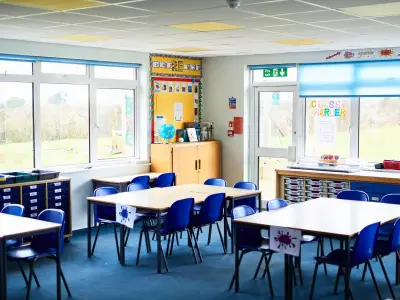
The strike is expected to involve approximately 30,000 staff, affecting up to 500 schools, which may close or operate with limited supervision. The education department has advised parents that many schools will only be able to accommodate a "limited number of students," prompting some families to take time off work for childcare. Among those striking are 60 teachers from Parkville College, a school within Victoria's youth justice system, who have voiced concerns over funding priorities and public school support.
Classroom Disruptions and Broader Implications
On Tuesday, classrooms may see significant changes, with students of similar ages grouped together and participating in alternative activities supervised by substitute teachers. Education Minister Ben Carroll indicated that while the government is preparing for disruptions, the focus remains on dialogue and reaching a settlement. Striking teachers plan to hold a rally at Trades Hall before marching to the Victorian parliament to amplify their demands.
This strike in Victoria coincides with similar actions in Tasmania, where teachers have rejected a state government pay offer and will close public schools in phases across the region. The broader trend highlights ongoing tensions in the education sector across Australia, as educators push for better pay and resources amid funding challenges.