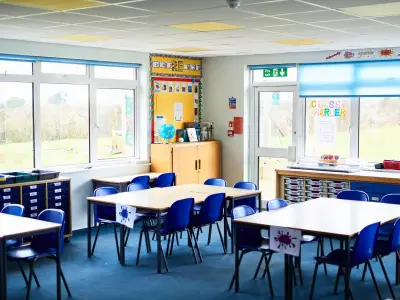
Stepping into the classroom as a newcomer, I faced the typical hurdles that every educator encounters for the first time. From managing student dynamics to crafting engaging lessons, the learning curve was steep and demanding. However, adding artificial intelligence into this already complex mix felt akin to drinking a strong coffee in the midst of a panic attack—intensifying the experience in unexpected ways.
The Initial Classroom Struggles
As a fresh teacher, I navigated the usual difficulties: establishing authority, adapting to diverse learning styles, and maintaining classroom discipline. These foundational challenges are universal in education, yet they set the stage for a more profound journey when technology entered the picture.
Introducing AI into the Educational Equation
The integration of AI tools, such as chatbots, introduced a new layer of complexity. Initially, it seemed like a potential solution to streamline tasks like grading or answering routine student queries. However, the reality proved more nuanced, as these technologies often blurred the lines between human interaction and automated assistance.
This experience highlighted the broader implications of AI in schools, raising questions about its role in fostering creativity and critical thinking. While some educators embrace it as a supplement, others worry about its impact on traditional teaching methods and student engagement.
Personal Reflections on Technology and Teaching
My journey underscored the delicate balance between leveraging AI for efficiency and preserving the human touch that is essential in education. The podcast format allowed for a deep dive into these themes, blending personal anecdotes with expert insights on how artificial intelligence is reshaping classrooms globally.
Ultimately, this exploration serves as a reminder that while technology can enhance learning environments, it must be integrated thoughtfully to support, rather than replace, the irreplaceable role of teachers in guiding young minds.