A prominent Indigenous boarding school in Australia is on the brink of collapse following the criminal conviction of its former principal for assaulting students. The case has sent shockwaves through the community and raised urgent questions about governance and child safety.
Conviction and Collapse of Leadership
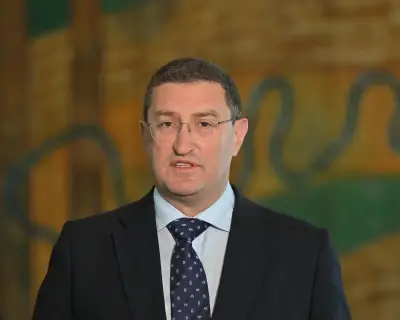
Dujuan Hoosan, the 40-year-old former principal of the Australian Indigenous Education Academy (AIEA) boarding school in Melbourne, was found guilty on multiple counts of assault. The verdict was delivered in the Melbourne magistrates court on Friday, 5 December 2025. Hoosan, a well-known Indigenous educator and activist, was convicted for assaults that occurred between 2022 and 2023.
The court heard that the assaults involved physical altercations with male students. In one incident, Hoosan was found to have assaulted a student during a disagreement over the school's Wi-Fi password. This conviction has irrevocably damaged the school's reputation and stability.

A School's Precarious Future
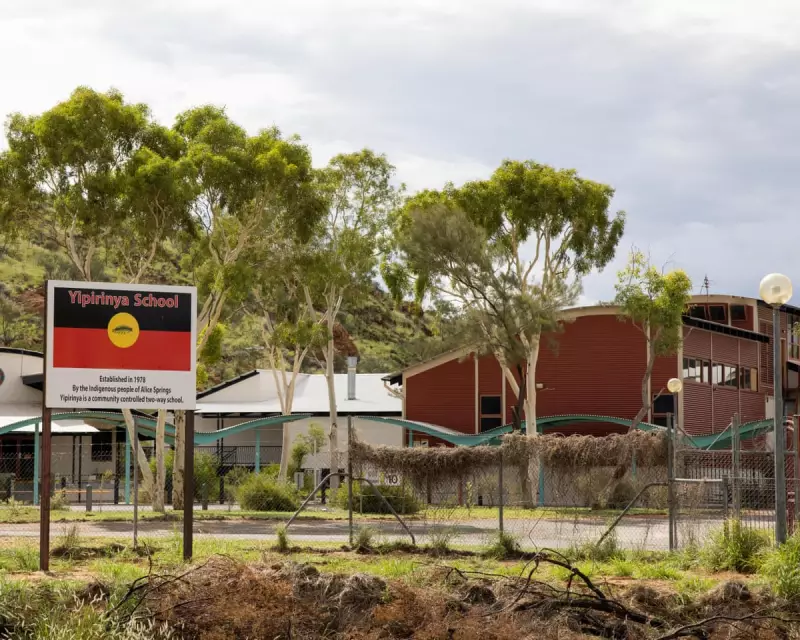
The AIEA, which operated as a private boarding school for about 30 Indigenous students from remote communities, is now facing imminent closure. Its financial and operational model was heavily reliant on Hoosan's leadership and public profile. Following his conviction, the school has lost critical funding and support, with enrolment numbers plummeting as families withdraw their children.
Staff members have described a state of chaos, with salaries going unpaid and the future of the students thrown into uncertainty. The school's board is struggling to manage the crisis, having failed to implement robust safeguarding policies that could have prevented the abuse or mitigated its fallout.
Broader Repercussions and Community Devastation
The scandal extends beyond the school's gates, causing profound hurt within the Indigenous community. The AIEA was established as a culturally safe alternative for Indigenous youth, making the betrayal of trust by its leader particularly devastating. Community leaders have expressed anger and profound disappointment, highlighting the setback this represents for Indigenous-led education initiatives.
The case has triggered calls for a major independent inquiry into the school's operations and governance. Experts warn that the collapse of such an institution risks leaving a generation of students without vital educational pathways, potentially exacerbating existing inequalities. The focus now turns to how the authorities and community will support the displaced students and rebuild systems with stronger safeguards.
As the legal process continues—with a plea hearing scheduled for 19 December 2025—the future of the students remains the most pressing concern. This tragedy underscores the catastrophic consequences when institutions fail to protect the children in their care.