London's Primary Schools Confront Enrollment Crisis Amid Soaring Housing Costs
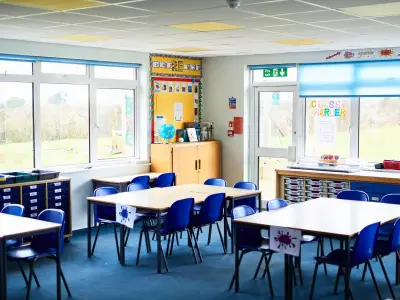
Schools across London are grappling with a severe enrollment crisis, as rising housing expenses and declining birthrates drive a sharp reduction in the number of children entering reception classes. This alarming trend is expected to lead to further school closures and mergers in the coming years, with the capital's educational institutions bearing the brunt of these demographic shifts.
Steep Decline in Reception Class Numbers
According to recent data from local authorities, London boroughs will see nearly 3,000 fewer four-year-old children enrolling in reception classes at the start of the next academic year in September. This represents a significant 3.5% decline compared to the previous year, marking London as the hardest-hit region in England and Wales.
While some rural councils, including Shropshire and Cornwall, have also recorded falling enrollments, London's situation is particularly dire due to the capital's exceptionally high cost of living. Council leaders directly attribute this decline to the financial pressures facing London families, with housing costs emerging as a primary concern.
Funding Crisis and School Closures Loom
Jon Abbey, chair of the pan-London admissions board responsible for allocating school places, emphasized the severity of the situation. "Falling birthrates and the ongoing cost-of-living pressures facing London families, including high housing costs, have again contributed to a decrease in overall applications this year," Abbey stated. "This is a trend we expect to continue in the years ahead."
The consequences of this enrollment decline are already materializing. London councils forecast an additional 2.5% reduction in reception pupil numbers over the next four years, equivalent to approximately 87 fewer primary school classes. Inner London boroughs are anticipated to suffer the most severe impacts.
Educational Quality Under Threat
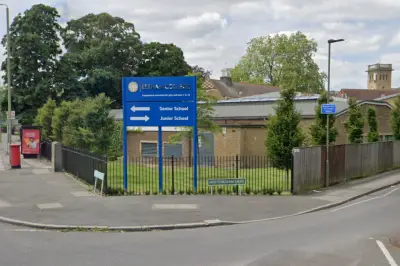
Antonia Jennings, chief executive of the Centre for London thinktank, highlighted the dual challenges facing London's education system. "Falling enrollment means less funding for schools," Jennings explained. "Ninety schools have closed or merged in the past five years alone. London faces a £45 million reduction in school funding over the next four years, with a quarter of schools already operating in budget deficit."
These financial constraints are forcing schools to make difficult decisions, including cuts to teaching staff, specialist support services, and curriculum offerings. Simultaneously, the needs of London's children are becoming increasingly complex, with more pupils growing up in poverty, experiencing food insecurity, or living in overcrowded homes and temporary accommodation.
Regional Variations in School Place Offers
Despite the overall decline, about 88% of London families received their first choice of school this year. However, significant variations exist between boroughs. In Hammersmith and Fulham, as well as Kensington and Chelsea, only approximately 75% of families secured their first preference. Conversely, boroughs like Hillingdon, Tower Hamlets, and Enfield saw success rates closer to 95%.
Nationally, the picture remains mixed. Shropshire council reported a 3% decrease in applications, while Kent experienced a slight increase. Cornwall saw a 1% decline from the previous year, and North Yorkshire witnessed an encouraging upturn in applications despite numerous rural school closures since 2018.
Long-Term Implications for London's Education
The enrollment crisis extends beyond primary education, with London councils anticipating sustained reductions in demand for secondary school places over the same period. This creates a cascading effect that will impact educational infrastructure across multiple age groups.
Paul Whiteman, general secretary of the National Association of Head Teachers, cautioned against complacency. "While most parents will be happy to have found out that they have got their first choice, that doesn't take away from the difficulty and disappointment experienced by those families who have missed out," Whiteman noted. "There is a concern this year that overall offer figures may mask quite big regional variations."
As London's schools navigate these turbulent population changes and increased funding pressures, the need for adequate resources and support systems becomes increasingly urgent. Without intervention, the quality of education for London's children stands at risk, with potentially lasting consequences for the capital's future generations.