Exclusive: Chinese Student Allegedly Jailed After Protests in Australia
The Australian government is facing urgent calls to enhance protections for overseas students from political repression, following an exclusive report that a Chinese international student was allegedly sentenced to six years' imprisonment in China for participating in pro-democracy protests in Australia.
The student, whose identity has been withheld by the Guardian, lost contact with friends in Sydney after returning to China in December 2024. He had planned to remain in Australia post-graduation, but two employers confirmed they have been unable to reach him since January 2025.
Family Claims Arrest and Secession Charges
A family representative in Australia disclosed that the student was arrested and charged with secession for joining pro-democracy rallies in Sydney, including solidarity protests for China's ethnic minorities. The family alleges they were not provided a copy of the judgment after the trial, which reportedly occurred before China's introduction of the ethnic unity law—a measure criticized by human rights advocates for tightening restrictions on minority languages.
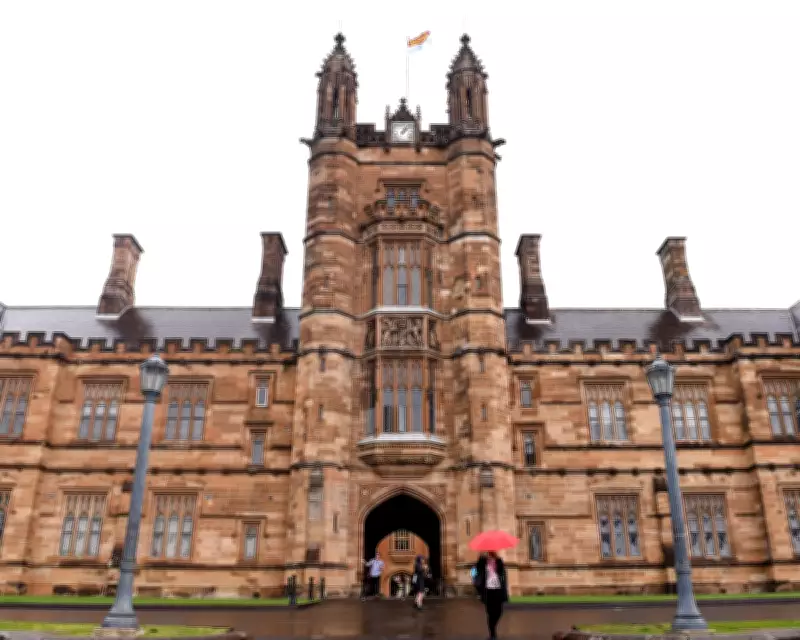
Individuals who attended similar rallies in Sydney critical of the Chinese government stated they knew the student through these events. The University of Sydney, where he was enrolled, declined to comment, citing privacy concerns.
Broader Political Repression Targeting Students
Maya Wang, deputy Asia director at Human Rights Watch, suggested this arrest may be part of a wider crackdown on Chinese international students who moved to Western countries after the 2022 "white paper" protests in China. Those demonstrations, sparked by anger over harsh Covid lockdowns, were among the largest youth-led rallies since the 1989 Tiananmen protests and led to arrests by authorities.
Wang explained that while China historically focused on suppressing activism domestically, its enforcement has shifted overseas due to recent migration waves. "They have kind of intimidated enough people inside China, and then people move abroad and continue to activism, or experience new activism—because many of these students are new activists—then naturally, your focus of enforcement moves abroad," she said.
She emphasized that democratic countries often fail to grasp the situation, and governments must take a stronger stance in guiding universities to protect students from political repression for engaging in legal pro-democracy activities. "If you leave it for the universities to deal with that, they really do not have capacity, because we're talking about a higher education institution. They really need the money brought by international students. They are already very cash-strapped," Wang noted, highlighting a blind spot in university frameworks that typically focus on research integrity rather than human rights concerns.
Previous Cases and Government Response
In 2021, a Human Rights Watch report exposed intimidation and harassment faced by Chinese pro-democracy students. More recently, in September, the Guardian reported on the detention of 22-year-old Chinese student Yadi Zhang in China over alleged activism for Tibet.
Former Universities Australia chief executive Catriona Jackson previously stated that universities were exploring international best practices to counter foreign government-linked harassment. However, Universities Australia has declined to comment on this specific case.
In 2019, the Australian federal government introduced guidelines to counter foreign interference in universities, including a taskforce focused on the issue. These guidelines mandate training for staff and students on risks related to foreign collaborations but do not address how to support international students facing political repression at home for activities legal in Australia.
Both the university foreign interference taskforce and the Department of Education refused to comment on potential updates to the guidelines. Shadow home affairs and immigration minister Jonno Duniam called the case "deeply concerning" and stressed that universities have "a clear responsibility to ensure all students can speak freely without intimidation." He urged the Albanese government and universities to implement strong safeguards against foreign interference and robust protections for free speech.
A Department of Home Affairs spokesperson stated that while they cannot comment on individual cases for privacy reasons, "it is unacceptable for any foreign government to target members of our community in ways that prevent individuals exercising their fundamental rights and freedoms in Australia." The Chinese embassy in Canberra said it was unaware of the case.