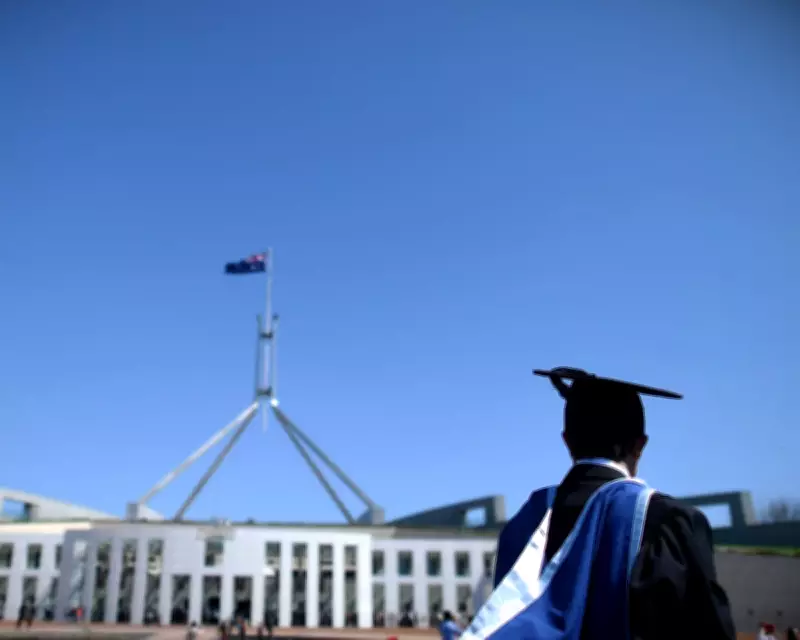
About 3 million students and graduates will see their Hecs debts increase on Monday, when they are indexed by 2.8%. New costings show how much they would save if the government changed the date of indexation on Hecs debts.
Students would save more than $3 billion over a decade if Labor changed the Hecs indexation date by five months, according to exclusive costings commissioned by independent MP Monique Ryan. The costings, obtained by Guardian Australia, highlight the potential savings for university graduates as Hecs debts increase by $1 billion on Monday.
Broken System Under Fire
Monique Ryan, who commissioned the Parliamentary Budget Office costings, described the current system as a “broken system” that unfairly burdens young Australians. “Rising student debt is not an accident. It’s the result of deliberate policy choices made by Liberal and Labor governments,” Ryan said. “We need to fix this broken system. When you make a payment on your home loan, its balance goes down. Graduates’ Hecs payments aren’t being accredited to their accounts in real time, and that’s costing them dearly.”

Hecs debts do not accrue interest but increase yearly based on the rate of inflation or the wage price index, to maintain the “real value” of the money owed. Students make compulsory payments towards their Hecs, which are collected and held by the tax office, but that money isn’t deducted from the debt until the person has filed their tax return. That is done after the debt indexes.
Costings and Savings
The costings show that if the government changed the indexation date from 1 June to 1 November, after compulsory payments have been paid down, it would cost the budget’s underlying cash balance $1.2 billion in forgone revenue over four years. However, in the first year students would save $58 million in indexation, which would increase – as university fees, Hecs debts and the number of students grow – to more than $150 million a year by 2035-36.
Government Response
On Thursday, Education Minister Jason Clare said Labor had already changed indexation rules in December 2024, to increase debts by the rate of inflation or the wage price index – whichever is lower. Labor also slashed Hecs debts by 20% in a 2025 election promise. “We’ve already made some important changes to the way Hecs is indexed, and that had important benefits for young people right across the country … There is a lot of unfinished business and there’s more work to do,” Clare said. “We want to make it easier for young people to get a degree cheaper and faster.”
Social security payments including jobseeker, the aged pension and youth allowance are indexed every year, at different times. The aged pension, disability support pension and carer payments are indexed on 20 September each year, while jobseeker is indexed biannually on 20 March and 20 September.