Pupils Reject School Food Cuts: 'No Cheeseburgers Would Bankrupt Us'
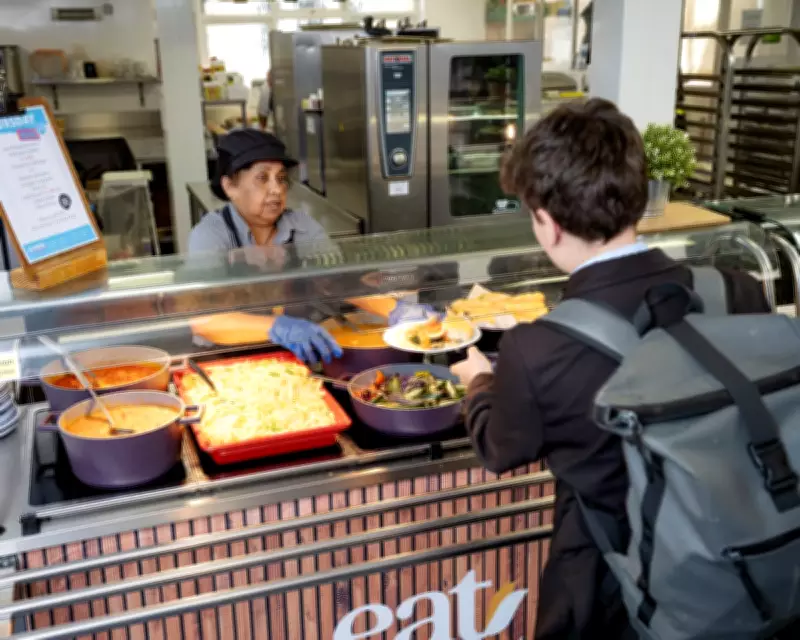
At Richard Challoner School in New Malden, southwest London, the lunchtime routine unfolds with familiar energy. In the Catholic comprehensive boys' school, the canteen prepares for the daily rush as students descend with hungry appetites and lively chatter. The scene captures a crucial moment in the national debate over school food standards.
The Current Menu: Balance and Choice
The school's current lunch offerings represent what many consider a balanced approach. Wednesday's menu features Cumberland pork sausages alongside vegetarian Glamorgan sausages, served with mashed potato, caramelised onion gravy, roasted carrots, and broccoli. Additional options include pasta with chicken meatballs in tomato sauce and jacket potatoes with baked beans.
The "grab and go" section provides quicker choices: sausage baps, pepperoni panini, cheeseburgers, and sweet chilli hash browns. Notably absent are deep-fried items, chocolate bars, crisps, and fizzy drinks. A well-stocked salad bar offers fresh alternatives, while dessert displays tempt with chocolate mousse, banoffee pie, caramelised banana cake, brownies, marshmallow sponge, summer berry flapjack, iced rolls, cupcakes, and double chocolate muffins.

Government Proposals Spark Controversy
Recent government plans to overhaul school food standards have ignited controversy. Education Secretary Bridget Phillipson announced measures aimed at reducing childhood obesity rates by eliminating foods high in fat, salt, and sugar. The proposals would ban "grab and go" options like sausage rolls and pizza from daily menus and completely prohibit deep-fried foods.
Supported by chefs and campaigners including Jamie Oliver, Emma Thompson, and former government food tsar Henry Dimbleby, the plan would replace sugary cakes and puddings with fruit for most of the week. A nine-week consultation period is currently underway, but reactions at Richard Challoner suggest significant resistance.
Headteacher's Concerns: Nanny State Approach
Headmaster Sean Maher expresses frustration with what he calls a "nanny state-ish" approach. "Of course it's our job to provide students with as healthy and nutritious an offer as we can," he states. "But to say to a 12-year-old, 'I'm not going to let you have a chocolate brownie after your lovely main meal' ... I mean, come on!"
Maher emphasizes the importance of balance, arguing that while healthy food is essential, students deserve occasional treats. He also highlights practical financial concerns, noting that the school recently switched from self-catering to using the catering firm Accent due to rising costs.
Chef's Perspective: Financial Realities
Head chef Daniel Roche, who starts work at 6am daily, loves his job and enjoys the interaction with staff and students. However, he warns about the economic implications of drastic menu changes. "If I was to stop everything tomorrow and only put healthy food out, we would be crippled as a business," Roche explains, underscoring the delicate balance between nutrition and financial viability.
Student Voices: Mixed Reactions
Year 7 students, experiencing secondary school dining for the first time, appreciate their current choices. Twelve-year-old Daniel enjoys pizza followed by flapjack, acknowledging they're "not the healthiest" but "really good." He would be "a bit disappointed" if pizza disappeared but recognizes other options exist.
Theo, also 12, finds the proposed sugar and cake reductions "a bit unfair" and "a bit harsh," though he appreciates health intentions. He chooses sausage and mash with extra salad, followed by a chocolate cupcake.
Trivin, 11, declares cheeseburgers his favorite while eating one alongside cucumber and sweetcorn. He offers a stark warning: "They would go bankrupt" if cheeseburgers, cakes, and pizza were eliminated. "The entire place! I think people would get angry about that."
Older Students Weigh In
Sixteen-year-old Fraser, holding two pizza slices, would be "a bit gutted" if his preferred items vanished. He dislikes brussels sprouts and broccoli but enjoys sausage rolls.

Fifteen-year-old Ethan finds school food tasty and healthy but complains about portion sizes being too small. He argues for daily sweet treats, stating, "The sugars give you short term energy to get through the rest of the day."
Romelle, 16, praises the current "nutritious food" that "meets the needs" but desires more vegetarian options. He warns against removing desserts entirely: "Sweet treats bring a bit of excitement – especially in the lower years. It's about keeping a balance."
Broader Implications
The debate at Richard Challoner reflects wider tensions in education and health policy. While childhood obesity remains a serious concern, schools face practical challenges in implementing dietary changes without alienating students or jeopardizing catering finances. The government's consultation will need to address these complex realities as it seeks to create sustainable, healthy school meal programs that work for all stakeholders.