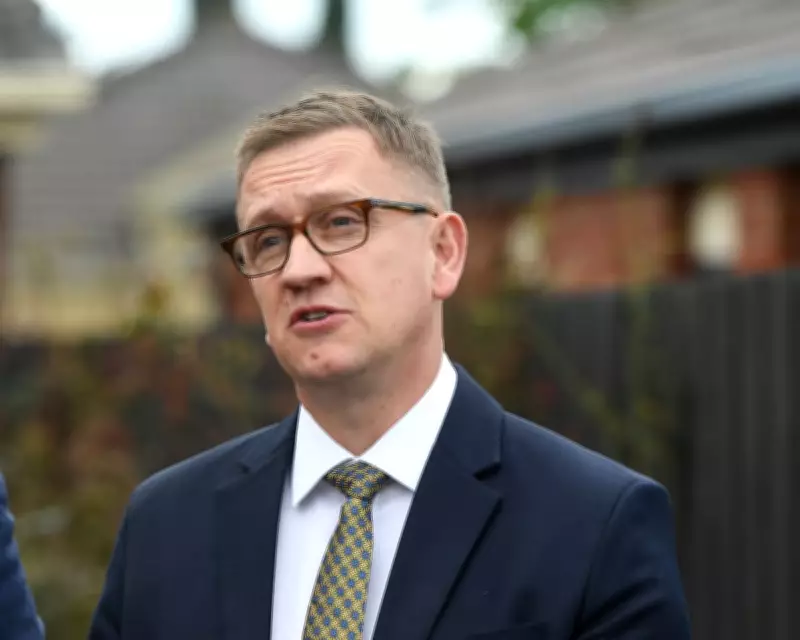
Australian MP Julian Hill Issues Warning on Education Trends
Australian Labor MP Julian Hill has expressed significant concerns that the increasing prevalence of religious schools and homeschooling in Australia could potentially hinder deeper social cohesion. He argues that these educational choices may limit children's exposure to diverse viewpoints and backgrounds, which is crucial for fostering a unified society.
The Rise of Alternative Education Models
In recent years, Australia has witnessed a notable shift towards religious schools and homeschooling. This trend reflects growing parental preferences for educational environments that align with specific religious or philosophical beliefs. While these options provide tailored learning experiences, Hill warns they might inadvertently create educational silos.
Hill emphasizes that traditional public schools play a vital role in bringing together students from various cultural, religious, and socioeconomic backgrounds. This diversity, he contends, is essential for developing mutual understanding and respect among future generations.

Potential Impacts on Social Cohesion
The MP's concerns center on the long-term societal implications. He suggests that when children are educated in homogeneous settings, they may miss opportunities to interact with peers who hold different beliefs or come from different walks of life. This lack of exposure could, over time, weaken the social fabric that binds communities together.
Hill stated, "If we continue down this path, we risk creating parallel societies where young people grow up without the shared experiences that build empathy and cooperation." He calls for a balanced approach that respects parental choice while prioritizing inclusive education policies.
Broader Educational Context
This discussion occurs amidst ongoing debates about education funding, curriculum standards, and parental rights in Australia. The growth of religious schools and homeschooling is often driven by desires for:
- Stronger moral or religious instruction
- Dissatisfaction with public school systems
- Concerns about bullying or safety
- Flexibility in learning methods
However, Hill urges policymakers to consider the collective impact of these individual choices. He advocates for measures that ensure all educational settings, including religious schools and homeschools, incorporate elements that promote social diversity and civic engagement.
Looking Forward
As Australia grapples with these complex issues, Hill's warnings highlight the need for thoughtful dialogue about the role of education in shaping a cohesive society. He proposes increased support for public schools to make them more attractive to diverse families, alongside guidelines for alternative education providers to foster inclusive environments.
The MP concludes that safeguarding social cohesion requires proactive efforts to bridge divides, starting in the classroom. This perspective adds a critical dimension to national conversations about education reform and community building in contemporary Australia.