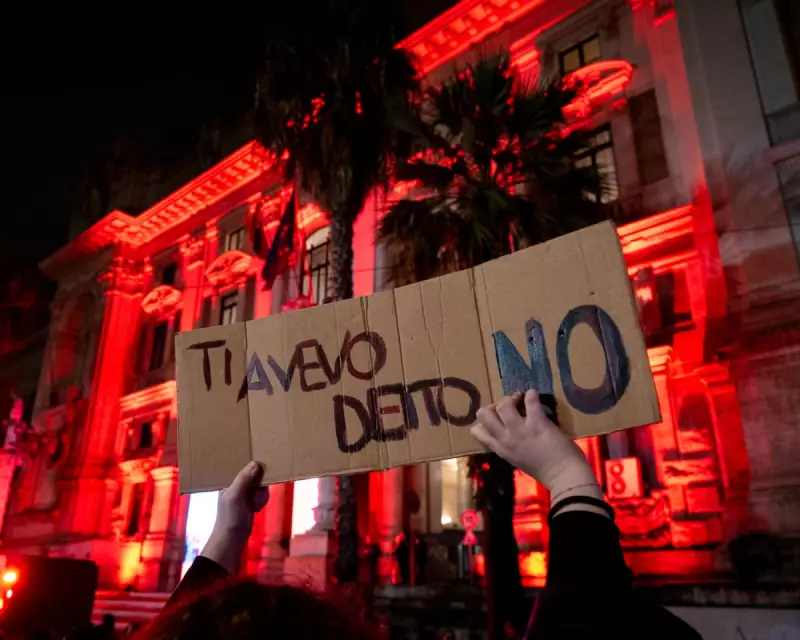
A controversial new sex education bill, championed by Prime Minister Georgia Meloni's far-right government, has ignited fierce debate and protests across Italy. The legislation, framed as a crackdown on 'gender ideology', imposes strict limits on relationship and sex education in schools, making it optional for older children and banning it outright for younger ones.
A Contentious Bill and Political Divide
The bill, which has been passed by the lower house of parliament and awaits senate approval, permits sex education in middle schools (for children aged 11-14) only with prior written parental consent. This aligns with existing procedures for high schools, while sex education remains prohibited in primary schools. Italy is one of the few EU nations without compulsory sex education, despite evidence showing it helps prevent violence against women and girls.
Opposition parties, who argue for mandatory lessons, staged protests outside parliament, labelling the bill regressive and a threat to efforts combating sexual violence and femicide. In stark contrast, Meloni's coalition views the legislation as a necessary shield against what it calls the 'woke bubble' and a defence of traditional family values.

'God, Country, and Family': The Government's Stance
Rossano Sasso, the under-secretary for education, was unequivocal in his support. He stated the law aims to prevent younger children from being taught 'theories that cause confusion' and ensures parental oversight for older students. "With this law, we are saying goodbye to gender ideology and the woke bubble," he declared in parliament.
Sasso warned that without such measures, left-wing politicians would "bring drag queens and porn actors into schools" to discuss topics like sexual fluidity. He concluded his speech by invoking the Italian fascist-era slogan "God, country, and family", asserting it guides the government's political action.
Long-Standing Campaigns and Public Support
The bill has dismayed campaigners who have long fought for compulsory, comprehensive sex education. This includes the family of Giulia Cecchettin, a university student murdered by her ex-boyfriend in November 2023. Sara Ferrari, a centre-left Democratic party politician, criticised the bill for putting obstacles in the way of a vital tool for combating violence against women.
Since 1975, there have been 34 parliamentary attempts to introduce mandatory sex education, consistently blocked by pro-life groups and Catholic church influence, which often associate the topic with abortion and same-sex relationships. However, recent surveys reveal overwhelming public support, with 90% of students and nearly 80% of parents backing sex education programmes.
The row over sex education comes just a week after the Italian parliament stalled debate on a separate landmark law that would define sex without consent as rape, highlighting the nation's deep political divisions on issues of gender, consent, and education.