Healthier School Meals Pilot in England Triggers 15% Decline in Uptake
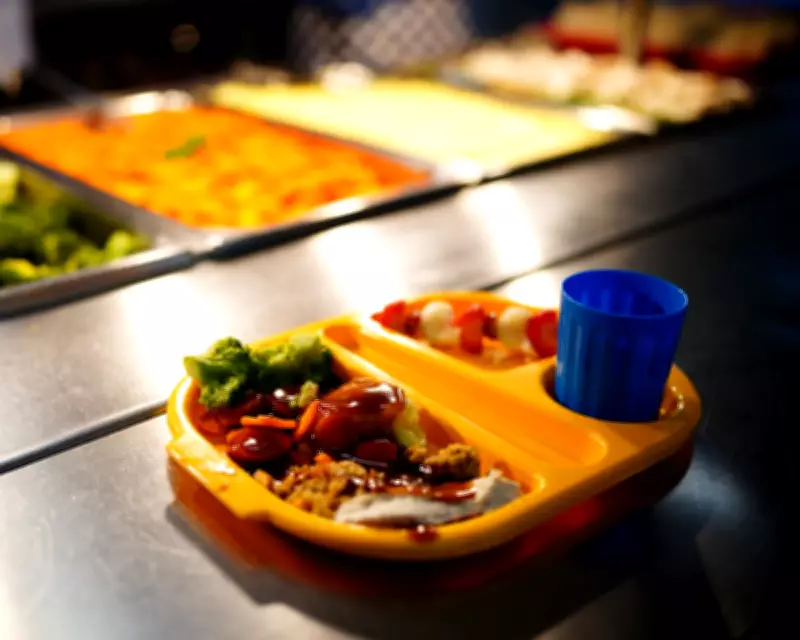
A pilot program testing England's new school food standards has resulted in a significant 15% drop in meal uptake, according to a caterer involved in the trial. The six-week study, conducted at Glebe Primary School in Brighton, revealed that children opted for packed lunches over the healthier menu options, sparking concerns about the potential negative effects on children's health despite the government's well-intentioned proposals.
New Standards and Industry Reactions
The updated standards, which prohibit deep-fried foods and sugary desserts, were officially launched on Monday with support from notable figures like chef Jamie Oliver, actress Emma Thompson, and former government food tsar Henry Dimbleby. Luke Consiglio, CEO of The Pantry, an education catering company based in Middlesex that serves 170 schools, led the pilot on behalf of the Department for Education. He acknowledged the positive intent behind the changes but warned of risks. "Despite these good intentions, there's a real risk that this will actually have a negative impact on children's health," Consiglio stated.
During the trial, children reportedly disliked the removal of popular items such as ham and cheese sandwiches, baked desserts, and cheese jacket potatoes. A spot check of packed lunches showed that all contained crisps and chocolate bars, highlighting potential nutritional gaps. Additionally, catering costs increased by 20p per meal due to more expensive ingredients.

Funding and Compliance Challenges
Philippa Terry, another caterer providing meals to 70 London primary schools, pointed out that the new standards do not address the existing funding disparity in the school meals sector. In England, the government allocates £2.61 per free school meal, rising to £2.66 in September, compared to higher rates in Wales (£3.40), Scotland (£3.30), and Northern Ireland (£3.10). Terry expressed concern that pupils, especially in secondary schools, might reject the healthier options, leading to a decline in uptake and financial strain on caterers. "By July there's six more caterers that are going to close down because they can't make the service commercially viable," she predicted.
Andy Jolley, a former governor and school food campaigner, emphasized the need for proper monitoring to ensure compliance with the standards. He noted that without an independent body to conduct checks, the policy might be ineffective. "The way to improve school meals is to increase the funding so you can provide better quality food in greater quantity. Without the extra money, it's not going to make any difference. It's doomed to fail," Jolley argued.
Government Response and Success Stories
The Department for Education has opened a nine-week consultation on the proposals, promising a robust national enforcement system with details to be announced in September. Schools will be required to publish menus and food policies and appoint a lead governor for school food. A DfE spokesperson highlighted that many schools are already meeting the standards affordably, with some seeing uptake increases of up to 220% after menu improvements and reduced costs.
Russ Ball, head chef at Pokesdown Community Primary School in Bournemouth, shared a success story, noting that meal uptake tripled during his five-year tenure by cooking seasonally from scratch. "I've always believed that great school food doesn't have to cost the earth," he said, serving over 300 fresh and nutritious meals daily within budget.
The pilot results underscore the complex balance between promoting healthier eating and maintaining student engagement and financial viability in England's school meals system.