Significant changes to England's GCSE qualifications have been confirmed for implementation in 2029, meaning current primary school students in their final year will be the first cohort to experience the refreshed courses. The timeline, accepted by Education Secretary Bridget Phillipson, has sparked debate about whether some elements could be introduced sooner.
Gradual Implementation Timeline
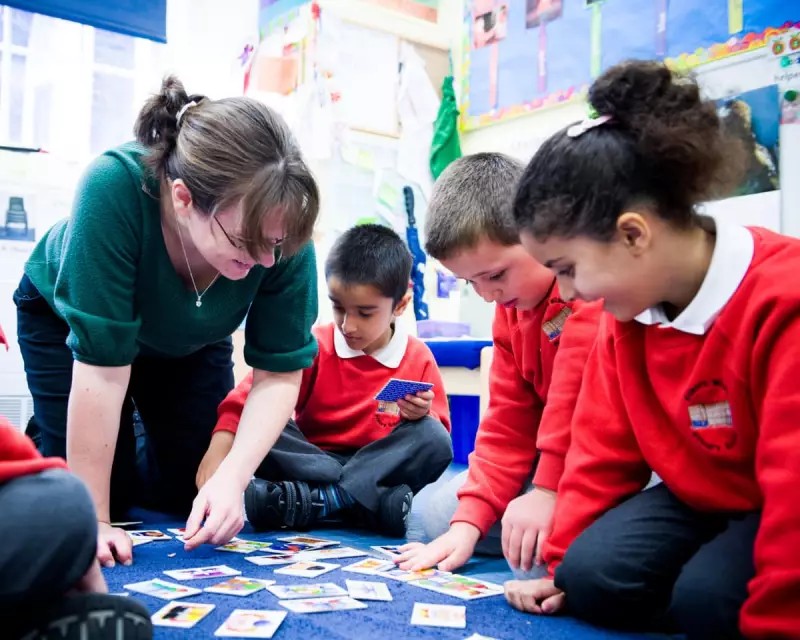
The government's decision to delay the GCSE reforms until after the next general election follows recommendations from the Francis review on the curriculum. Pupils aged 10 and 11 currently in their last year of primary school will be the first to take the new GCSE courses in 2029, with changes to the national curriculum taking effect a year earlier in 2028.
While the gradual approach aims to manage teacher workload and morale concerns, education experts question whether certain aspects could be accelerated. The review panel emphasised the complexity of rewriting entire curriculums and ensuring coherence across subjects, but suggested some elements might be trialled earlier.

Opportunities for Early Adoption
Ministers are being urged to encourage schools keen to implement certain changes ahead of the formal timeline. Potential early innovations include:
- Reducing exam timings through coordination with exam boards
- Implementing greater focus on oracy and speaking skills alongside reading
- Introducing media literacy programmes to address online safety concerns
The rapid pace of technological change and children's exposure to online material makes media literacy a particularly pressing issue that some argue cannot wait three years for implementation.
Broader Education Challenges
Beyond GCSE reforms, the government faces several urgent education priorities. Nearly one million young people aged 16-24 are currently not in education, employment or training, highlighting the need for effective participation strategies.
Development work continues on new modular qualifications in maths and English, alongside the creation of new "V-levels" that require further detail. Meanwhile, the postponement of a special needs education white paper until next year reflects the sensitive nature of proposed reforms in this area.
While Labour has implemented policies including breakfast clubs and early years education expansion, questions remain about why more ambitious school reforms weren't developed during their time in opposition. Bridget Phillipson faces the challenge of maintaining momentum for education changes that will extend beyond the current parliamentary term.