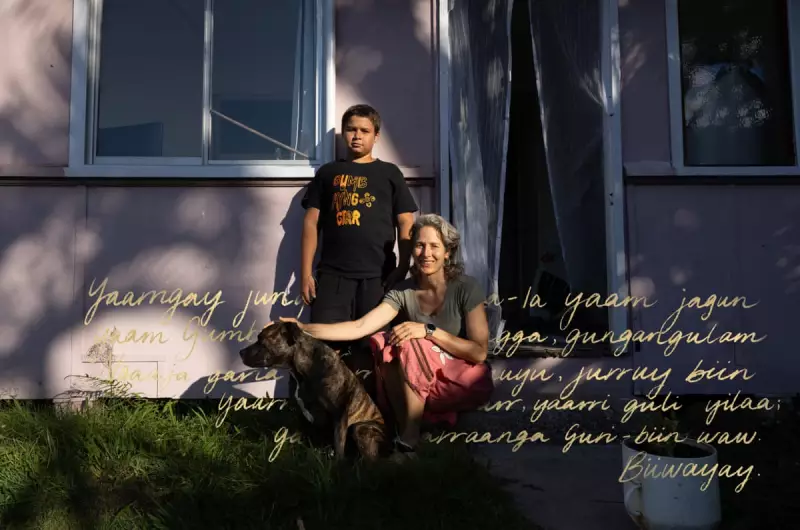
In the quiet, soft light of a Coffs Harbour morning, Anne-Marie Briggs shares a favourite word with her son, Darruy. Bambuuda, drawn from bamburr meaning soft and gentle, perfectly captures the pre-dawn calm. It's a term from the Gumbaynggirr language, a tongue once critically endangered that now forms the vibrant heartbeat of their family's new life and Darruy's groundbreaking education.
A School Built on Culture, Measured by Joy
Each day at the Gumbaynggirr Giingana Freedom School (GGFS) begins not with a register call in English, but with song, dance, and the resonant click of clapsticks in a shady sandpit. This small independent school is the first Aboriginal bilingual school in New South Wales, and its metric for success is refreshingly simple: happiness.
Founded three years ago by the Bularri Muurlay Nyanggan Aboriginal Corporation, GGFS was born from a stark observation. Chief executive Clark Webb, a Gumbaynggirr and Bundjalung man, says the mainstream education system was "failing miserably" for Aboriginal children, with families often blamed for attendance and achievement gaps instead of schools addressing their own shortcomings.

"It insinuates that our children are a problem and we know that's not the case," Webb states. The school, open only to Indigenous students from kindergarten to year 8, offers a radical alternative. Students have daily language classes and weekly lessons on country, with some advanced subjects taught almost exclusively in Gumbaynggirr.
Transforming Lives Through Language
The impact on students like 12-year-old Darruy Briggs has been profound. His parents moved their family a nine-hour drive from Queanbeyan after hearing about the school. Previously unenthusiastic about education, Darruy has legally adopted the Gumbaynggirr word for "good" as his first name and is now a confident language speaker.
"The difference is like light and day," Darruy explains. "The other school … they didn't really understand the components of Aboriginal culture. I do prefer this school a lot more, because they understand how culture is to us."
This story of reconnection is echoed in the experience of Courtney Elliott and her daughter, Marlarrah. At a previous preschool, Marlarrah was told she was "too dirty to play with" and began shying away from her culture. Since enrolling at GGFS, her confidence has "skyrocketed." The language has become so normalised at home that Courtney sometimes accidentally uses Gumbaynggirr words at her nursing job.
A Community-Wide Revival Defying the Odds
The school's success is a landmark in a much broader revival. The Gumbaynggirr language's journey back from the brink began in 1986 when a handful of elders, including civil rights activist Gary Williams, pooled pensions to record words in an old Kempsey church. This led to the creation of the Muurrbay Aboriginal Language and Culture Co-operative and the first Gumbaynggirr dictionary.
Today, Gumbaynggirr is ranked among the top ten Indigenous languages being renewed nationally. Michael "Micklo" Jarrett, a Muurrbay graduate now training new teachers, notes the problem has flipped: "Now our problem is we haven't got enough schools for all the educators."
The revival extends beyond the classroom. Jarrett's Girrwaa Duguula (People Together) choir brings people aged 12 to 75 together weekly to sing in Gumbaynggirr, sharing creation stories and a profound connection to place.
Results That Speak Volumes
GGFS has grown from 15 students in 2022 to 95 enrolled for next year, with a waiting list. Its attendance rate stands at 88.5%, above the national average for all students and far exceeding the national Indigenous attendance rate of 76.9%. Naplan results are just above average for Indigenous students.
Yet, for Principal Glen Cook, a Dunghutti and Bundjalung man forbidden from speaking his language as a child, and for Clark Webb, academic metrics are secondary. "Happiness," Webb asserts, is the true measure. "When we bring our children up to feel really good about who they are through their language and through their culture, then all other learning is sorted."

As the sun warms the sandpit at morning assembly, the stomping feet and rising songs in Gumbaynggirr are more than just a school routine. They are the sound of a language living again, and a community defining educational success on its own, deeply meaningful terms.