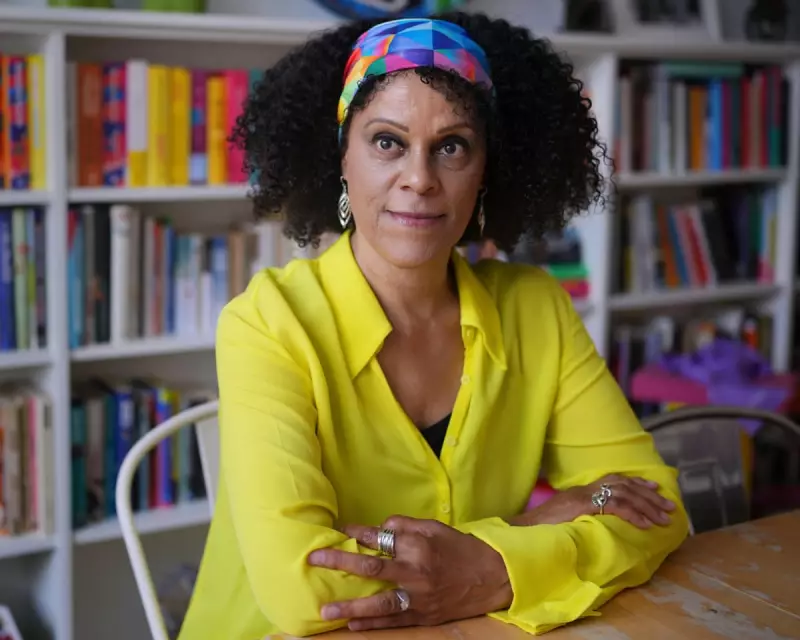
Bernardine Evaristo Calls for Accelerated Diversity in English School Curriculum
Booker Prize-winning author Bernardine Evaristo has issued a renewed plea to diversify the school curriculum in England, expressing concern that the pace of change remains sluggish and societal attitudes are shifting against inclusion. In a stark warning, Evaristo highlighted that young people are maturing in an environment where "doors are closing" on egalitarian efforts.
Slow Progress in GCSE English Literature Texts
According to a five-year progress report from the Lit in Colour campaign, there has been some advancement in the diversity of texts available for GCSE English literature. However, uptake in schools remains disappointingly low. The report reveals that only 1.9% of GCSE pupils in England currently study books by authors of colour, a modest increase from 0.7% five years ago.
This incremental improvement suggests a protracted timeline for meaningful change. At the current rate, it is projected that 10% of students will not answer a question about a text by an author of colour in their English literature GCSE until 2046. More alarmingly, it will take until 2115 before 38% of pupils study a writer of colour, a figure that mirrors the 38% of pupils in English schools from minority ethnic backgrounds, as per the latest Department for Education statistics.

Evaristo's Foreword Highlights Growing Resistance
Writing in the foreword to the Lit in Colour report, Evaristo acknowledged the progress made since the campaign's inception five years ago, during which the proportion of GCSE English literature set texts by authors of colour has risen from 12% to 36%. In 2025, there were eight texts by authors of colour, primarily of Black and south Asian heritage, on exam board lists.
Despite this, many teachers continue to rely on familiar texts like JB Priestley's An Inspector Calls, citing factors such as familiarity, inadequate resources for teaching new materials, and insufficient training time. Evaristo emphasised that this reliance underscores the need for more robust support systems in schools.
Reflecting on the period following the murder of George Floyd and the resurgence of the Black Lives Matter movement in the UK, Evaristo noted a temporary openness among institutions to address barriers faced by people of colour in education. However, she lamented that by 2025, this momentum appears to be waning.
"The term 'diversity' itself is now considered a dangerous concept in some quarters, with all attempts at becoming a more progressive society dismissed as 'woke'," Evaristo stated. "In this climate, the Lit in Colour campaign is even more essential to ensuring that books by authors of colour are on the curriculum."
Campaign and Government Response
Lit in Colour is a collaborative initiative led by Penguin Random House and the Runnymede Trust, partnering with educational and cultural organisations alongside England's four exam boards. The campaign aims to promote racial equality and enhance representation in the curriculum.
In response, a Department for Education spokesperson indicated that the government's curriculum and assessment review would seek to balance classic English literature with opportunities for teachers to select a broader array of texts and authors. This move is intended to foster greater inclusivity in educational materials.
Parallel Initiative: Lee Child Named Prison Reading Laureate
In a related development, bestselling author Lee Child, known for the Jack Reacher thriller series, has been appointed as the first prison reading laureate for England and Wales. This new role, established under the National Year of Reading campaign, focuses on improving literacy among prisoners to reduce reoffending rates.
Child plans to expand a literacy pilot programme he has been conducting in several prisons and will invite additional authors to participate. "This isn't about being soft on crime, it's about being smart," he asserted. "Improving literacy is an evidence-based, practical approach that works. When people leave prison better equipped to read and learn, they're less likely to reoffend. That makes communities safer for everyone."

The National Year of Reading is a UK-wide effort to boost reading engagement among both children and adults, highlighting the transformative power of literacy across different sectors of society.