Afghan Women's Secret Book Club Defies Taliban Education Ban
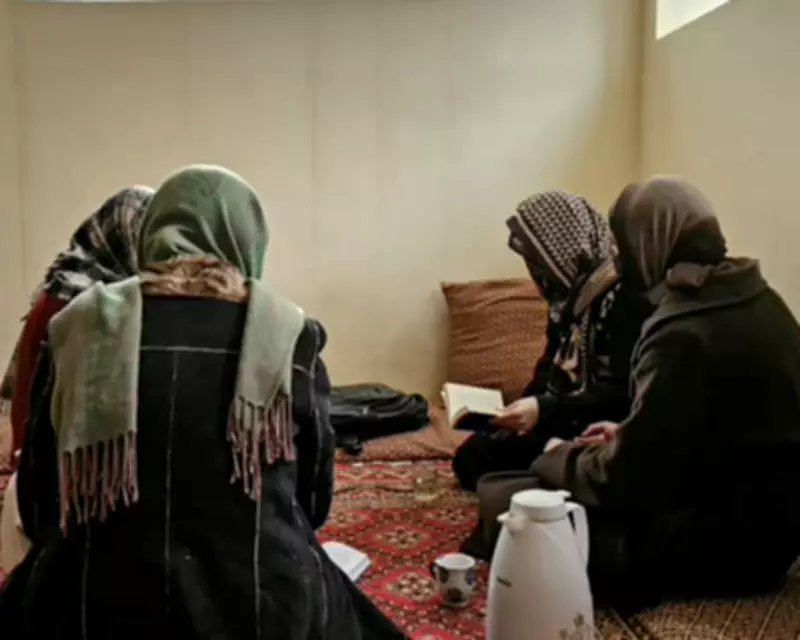
In the shadows of Taliban-controlled Afghanistan, a courageous group of women has formed a clandestine book club, defying the regime's harsh ban on female education. This underground initiative provides a vital intellectual refuge, allowing participants to engage with literature, discuss ideas, and maintain a sense of hope amidst severe restrictions.
Operating in Secrecy Amidst Repression
The book club operates with extreme caution, meeting in private homes and using discreet communication methods to avoid detection by Taliban authorities. Members risk severe penalties, including imprisonment or worse, for participating in any form of female education, which has been outlawed since the Taliban's return to power. Despite these dangers, the club has persisted, growing through word-of-mouth among trusted networks of women seeking intellectual stimulation and community.
Literature as a Tool for Resistance and Resilience
Through reading and discussion, the book club serves as a powerful act of resistance against the Taliban's oppressive policies. It focuses on a range of literary works, from classic novels to contemporary poetry, chosen to inspire critical thinking and emotional resilience. Participants report that the club not only preserves their access to education but also fosters solidarity, helping them cope with the psychological toll of living under such restrictive conditions.

Broader Implications for Women's Rights in Afghanistan
This initiative highlights the broader struggle for women's rights in Afghanistan, where bans on education and employment have severely limited opportunities for half the population. The book club symbolizes a grassroots effort to uphold basic human rights, demonstrating that even in the face of authoritarian rule, the desire for knowledge and freedom cannot be easily extinguished. It has inspired similar covert educational activities across the country, though exact numbers remain unknown due to security concerns.
Challenges and Future Prospects
The club faces ongoing challenges, including limited access to books, fear of infiltration, and the constant threat of Taliban crackdowns. However, members remain determined, viewing their efforts as essential for preserving Afghanistan's cultural and intellectual heritage. As the international community watches, this quiet defiance underscores the urgent need for global support to protect women's rights in conflict zones, emphasizing that education is a fundamental human right, not a privilege.